The resurgence of neo-noir cinema is not happening by accident. While mainstream studios often prioritize franchise-driven storytelling, film festivals have quietly become the primary incubators for modern noir innovation. Among them, the International Film Festival Rotterdam (IFFR) stands out as one of the most influential platforms shaping the genre’s global evolution.
Rotterdam 2026 showcased a new wave of filmmakers who are redefining noir through cultural specificity, experimental structure, and psychological depth. Films like Mergen demonstrate how the genre continues to evolve far beyond its American origins, finding new life in unexpected places.
What emerges from this festival circuit is not simply a revival of noir, but a transformation.
Why Rotterdam Has Become A Hub For Neo-Noir Innovation
Unlike traditional film markets, Rotterdam has built its identity around bold, unconventional storytelling. It actively prioritizes films that challenge narrative norms, making it an ideal environment for neo-noir.
The genre thrives in this space because it naturally aligns with the festival’s core principles: ambiguity, moral complexity, and visual experimentation.
| Rotterdam Focus | Noir Alignment |
|---|---|
| Experimental narratives | Non-linear storytelling |
| Global cinema spotlight | Cross-cultural noir adaptations |
| Director-driven projects | Personal, psychological themes |
| Visual innovation | High-contrast, atmospheric cinematography |
Rotterdam’s programming encourages filmmakers to reinterpret noir rather than replicate it. As a result, audiences are exposed to stories that feel both familiar and radically new.
The Globalization Of Noir Through Festival Circuits
One of the most significant developments highlighted at Rotterdam 2026 is the global expansion of noir storytelling. Films emerging from Central Asia, Eastern Europe, and Latin America are reshaping the genre’s identity.
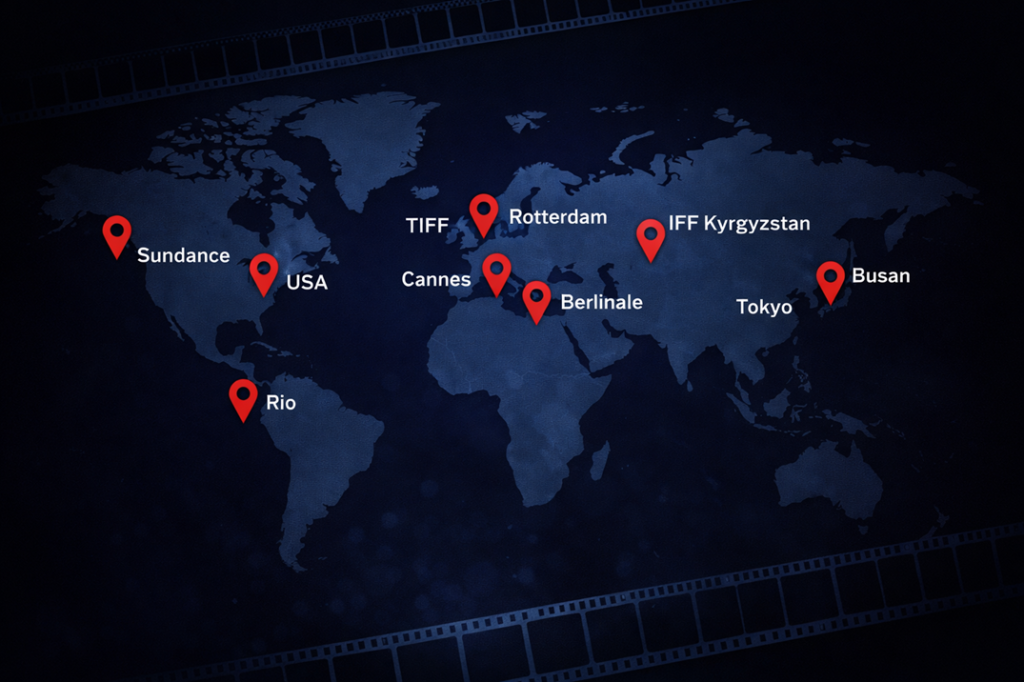
Mergen, for example, replaces the dense urban environments of classic noir with expansive natural landscapes, yet retains the emotional weight and moral ambiguity that define the genre.
This shift reinforces a key insight: noir is not defined by location, but by tension.
Our earlier exploration of international neo-noir storytelling through Mergen demonstrates how regional perspectives are redefining the genre’s boundaries, turning local narratives into globally resonant experiences.
From Crime Plots To Psychological Landscapes
Traditional noir often revolved around crime investigations, detectives, and structured narratives. At Rotterdam 2026, however, many films moved away from these conventions.
Instead, filmmakers emphasized internal conflict, trauma, and fragmented memory as central narrative drivers.
| Classic Noir Focus | Modern Festival Neo-Noir |
|---|---|
| External crime investigation | Internal psychological conflict |
| Linear storytelling | Fragmented narrative structures |
| Clear antagonists | Moral ambiguity and blurred roles |
| Action-driven tension | Emotional and atmospheric tension |
This evolution reflects a broader trend across contemporary cinema: audiences are increasingly drawn to stories that explore the human condition rather than simply resolve a mystery.
Visual Experimentation And The Language Of Light
Film festivals like Rotterdam provide a space for cinematographers to experiment with visual language. Neo-noir benefits enormously from this freedom.
While classic noir relied on black-and-white contrast, modern filmmakers expand that palette using natural light, digital textures, and unconventional framing.
Some films at Rotterdam 2026 utilized:
- Harsh daylight instead of nighttime shadows
- Wide, open landscapes instead of confined interiors
- Minimalist lighting to create emotional tension
These choices challenge long-standing assumptions about what noir should look like, proving that atmosphere can be achieved through absence as much as presence.
Why Festivals Matter More Than Streaming For Noir’s Future
Streaming platforms have certainly contributed to the popularity of noir-adjacent series. However, festivals remain critical because they allow filmmakers to take risks that mainstream distribution models often avoid.
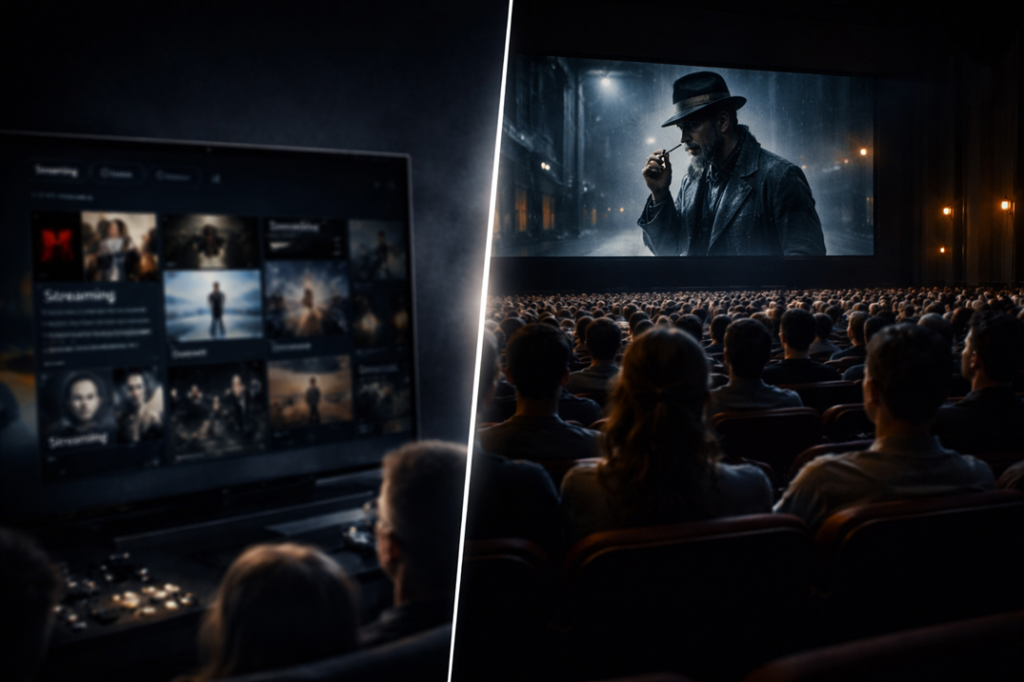
Rotterdam, in particular, functions as a testing ground for ideas that may later influence broader audiences.
According to the International Film Festival Rotterdam official overview, the festival continues to prioritize emerging voices and experimental storytelling, reinforcing its role as a global hub for cinematic innovation.
This environment enables noir to evolve organically rather than being constrained by commercial expectations.
The Role Of Audience Interpretation In Modern Noir
Another defining feature of festival-driven noir is its reliance on audience interpretation. Films showcased at Rotterdam rarely provide clear answers.
Instead, they invite viewers to engage with ambiguity.
This participatory approach aligns perfectly with noir’s traditional themes. The difference is that modern audiences are now expected to interpret not only the narrative, but also the emotional and symbolic layers embedded within it.
In many ways, this shift brings noir closer to art-house cinema than mainstream genre filmmaking.
A Genre Reborn Through Global Experimentation
Rotterdam 2026 confirms that neo-noir is not merely returning — it is expanding in ways that were previously unimaginable.
By embracing global perspectives, psychological storytelling, and visual experimentation, the genre is evolving into something far more diverse than its origins.
Film festivals are at the center of this transformation.
They provide the creative freedom necessary for filmmakers to redefine noir without losing its essence. As long as these platforms continue to support bold storytelling, neo-noir will remain one of the most adaptable and enduring genres in cinema.