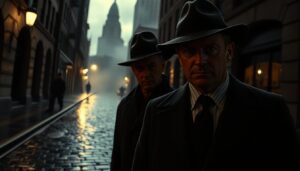
Cinema offers two ways to tell true athletic stories. Biographical pictures show success with a clear story. Sports noir, on the other hand, dives into moral gray areas and downfall.
Both genres are based on real events but differ greatly. One builds heroes and myths. The other tears them down with shadows and failure.
The anti-hero is at the heart of this debate. They challenge what we think of victory and manhood. Their story makes us question what truth is in movies.
Sports films are mirrors to our culture. They show our values, identity struggles, and changing norms. The choice between a hero’s tale and a complex drama shapes our view of success and humanity.
This analysis looks into how these stories work. It explores their take on truth in sports and beyond. It also links to a bigger discussion on how these tales reflect and shape our cultural views.
Definitions and overlaps: when a “true story” wears noir clothes
Sports biopics and sports noir films share a common base: athletic competition. Yet, they differ in how they tell their stories.
The sports biopic sticks to real events and people. It follows a story of success, failure, or redemption. It values accuracy and detail.
The sports noir adds a dark twist to sports stories. It features moral gray areas, a cynical mood, and shadows. The hero often faces a downward path, with fate controlling the story.
When a sports story naturally has noir elements, it can be seen through different lenses. A sports biopics comparison shows how the same facts can be viewed in two ways.
Genre theory helps us understand these differences. Rick Altman says genres are defined by what they are made of and how they’re structured. For sports films, this includes athletes, games, and places.
Genres differ in how they organize these elements. Biopics follow a straight line, tied to real events. Noir films focus on the dark side, with a focus on fate and moral decline.
| Criteria | Sports Biopic | Sports Noir |
|---|---|---|
| Primary Syntax | Chronological record; rise/fall arc | Fatalistic spiral; moral ambiguity |
| Narrative Engine | Historical achievement or failure | Corruption, betrayal, psychological decay |
| Visual Tone | Naturalistic, often heroic | High-contrast, shadowy, oppressive |
| Truth Claim | Factual fidelity | Emotional or thematic truth |
This change in structure affects how genres work. Even common elements can be seen differently. For example, The Iron Claw tells a wrestling story with a dark twist. It shows how facts can lead to a noir tone.
The main difference is what each genre aims to show. Biopics focus on documenting lives in sports. Sports noir explores the darker aspects of human nature that sports can reveal. A story is seen through noir when its dark side is more prominent.
Ethics of portrayal: consent, composite characters, villain framing
When biographical stories meet noir’s dark style, ethics are tested. Filmmakers face three big challenges. These are portraying without consent, creating composite characters, and framing real people as villains.
Getting consent from living subjects is key. Telling someone’s story without their okay raises questions of ownership and exploitation. It blurs the line between public interest and private pain.
Composite characters help tell stories quickly. They mix traits from several real people into one. But, this can distort facts and lead to inaccurate plots.
Villain framing is another big risk. Films might make complex figures seem simple to fit a moral story. This can lead to toxic portrayals where struggle is seen as villainy. It might also glorify a destructive, emotionally repressed masculinity.
Biopics and sports noirs handle these issues differently. Biopics might make flawed subjects seem heroic. Noirs might focus on tragedy for style. Both can miss the mark on character depth and believable motivations.
| Ethical Issue | Primary Risk in Biopic | Primary Risk in Sports Noir |
|---|---|---|
| Consent | Exploiting private trauma under “public figure” excuse. | Sensationalizing personal downfall for style. |
| Composite Characters | Simplifying history, erasing real contributions. | Creating archetypes lacking nuance. |
| Villain Framing | Exaggerating an opponent’s malice to hide flaws. | Reducing complex figures to symbols of corruption. |
| Portrayal of Flaws | Heroizing, avoiding uncomfortable truths. | Fetishizing failure and self-destruction. |
| Overall Goal | To inspire or canonize; may favor legacy over factual accuracy. | To critique a system or persona; may favor dramatic truth over fact. |
Both genres must balance storytelling with respect for reality. They should weigh dramatic truth against factual accuracy. The best portrayals show their constructed nature and respect their subjects’ humanity, even when showing flaws.
Case studies: Raging Bull (biopic with noir aesthetics), I, Tonya (black‑comic crime edges), Foxcatcher (paranoid wealth thriller)
An analysis of Raging Bull, I, Tonya, and Foxcatcher shows how noir affects sports biopics. Each film uses unique styles to explore moral gray areas, mental breakdowns, and social commentary.
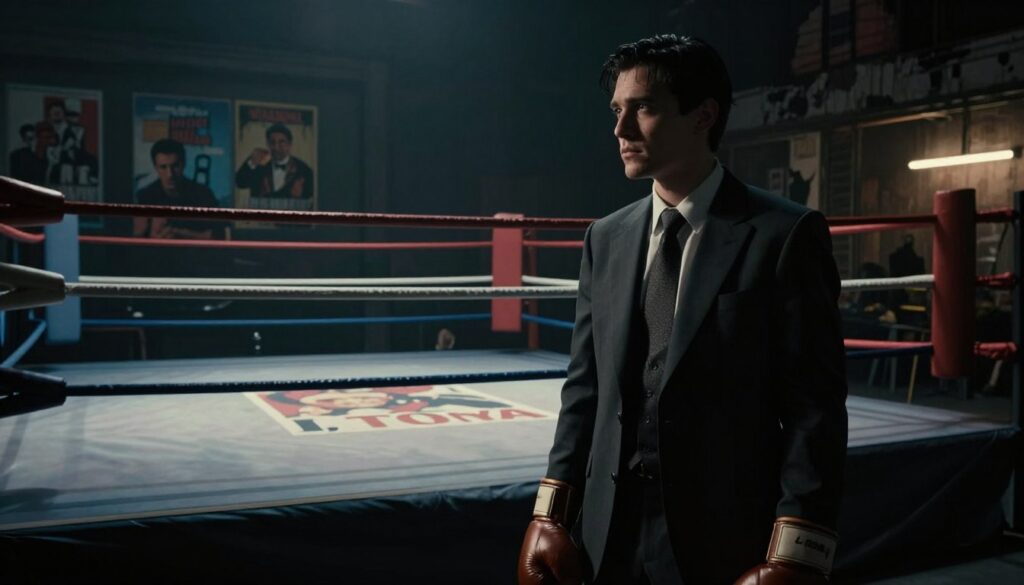
Raging Bull (biopic with noir aesthetics)
Martin Scorsese’s Raging Bull is key for any raging bull analysis on noir. It’s a biopic about boxer Jake LaMotta, but it’s all noir. The black-and-white cinematography creates a world of contrasts, showing LaMotta’s inner struggle.
The sound design is intense, focusing on punches, crowds, and quiet moments. It draws you into LaMotta’s troubled mind. The story jumps between fights and personal failures, showing a downward spiral.
LaMotta’s violence is not celebrated. It’s shown as a destructive force that ruins his life. The noir elements make his story a tragic tale of a man trapped by his darkest impulses.
I, Tonya (black‑comic crime edges)
I, Tonya tells its story like a crime film. It uses interviews to question truth and fiction. This is a noir trick to make you think.
The film is darkly funny, showing the absurdity and tragedy of the Tonya Harding scandal. The humor doesn’t lessen the seriousness. It highlights the failures and class resentment behind the scandal.
Harding’s story is more about a failed caper than a sports tale. Noir elements show how truth can be distorted by perspective and bias.
Foxcatcher (paranoid wealth thriller)
The foxcatcher vs noir comparison focuses on mood and psychology. Bennett Miller’s Foxcatcher is a slow, paranoid thriller. It uses wealth as its noir setting, showing how it can lead to isolation and obsession.
The film shows the chilling relationship between John du Pont and the Schultz brothers. Du Pont’s desire for glory is like a classic noir villain. The pace builds tension, leading to a tragic end.
This raging bull analysis shows how decay can come from privilege and isolation. The tragedy is not in city shadows but in the cold, vast spaces of wealth. Foxcatcher shows noir can thrive in any setting of power and obsession.
These studies show how noir can reveal the darker truths behind sports legends. They explore visual style and narrative structure.
Narrative engines: record‑book rise vs moral spiral; reliability of narration/interviews
Two powerful narrative engines shape sports stories. The traditional biopic follows a record-book rise. The sports noir, on the other hand, is driven by a moral spiral.
The record-book rise focuses on achievements. It uses the “Manhood Formula” of pain, repression, and victory. It shows a clear path of practice and competition.
This engine shows a career as a series of wins and losses. The story often goes up or falls tragically. It’s a linear timeline tied to public history.
The moral spiral is different. It explores a character’s flaws or corrupt circumstances. These lead to a series of ethical compromises.
This story is about losing moral footing. The descent is internal and often inevitable. It’s not about beating records.
A big difference is in narration reliability. Biopics use a third-person, objective view. This suggests a single truth.
Sports noirs question this. They use unreliable narrators and conflicting stories. This subjective approach shapes the film’s tone.
I, Tonya is a great example. Its i tonya tone comes from biased interviews. The audience must figure out the truth.
This method challenges traditional sports stories. It goes beyond celebration to investigation. It questions stereotypes and the “Manhood Formula”.
The choice of narrative engine shows how a film views truth:
- Record-Book Rise (Biopic): Linear, objective, milestone-driven. Assumes a reliable historical narrative.
- Moral Spiral (Sports Noir): Subjective, psychological, ethics-driven. Uses unreliable narration to question truth.
This analysis is key to film criticism of the genre. The engine decides if a story celebrates or dissects. The i tonya tone comes from its spiral engine.
Classroom activity: Source‑check a biopic scene vs records; what noir elements distort or reveal truth?
Teachers can use a source-checking activity to compare biopic scenes with real records. This helps students see how film genres shape our view of history. It also connects to the ethical and narrative discussions from earlier.
The activity needs three parts. First, pick a key scene from a sports biopic or noir film. Scenes like trials, confrontations, or big wins are good choices. Next, find historical records like news reports or official documents. Then, compare the scene with the records side by side.
Students should look at the director’s choices. What facts are shown, hidden, or changed? They should sort these choices by their purpose in the story.
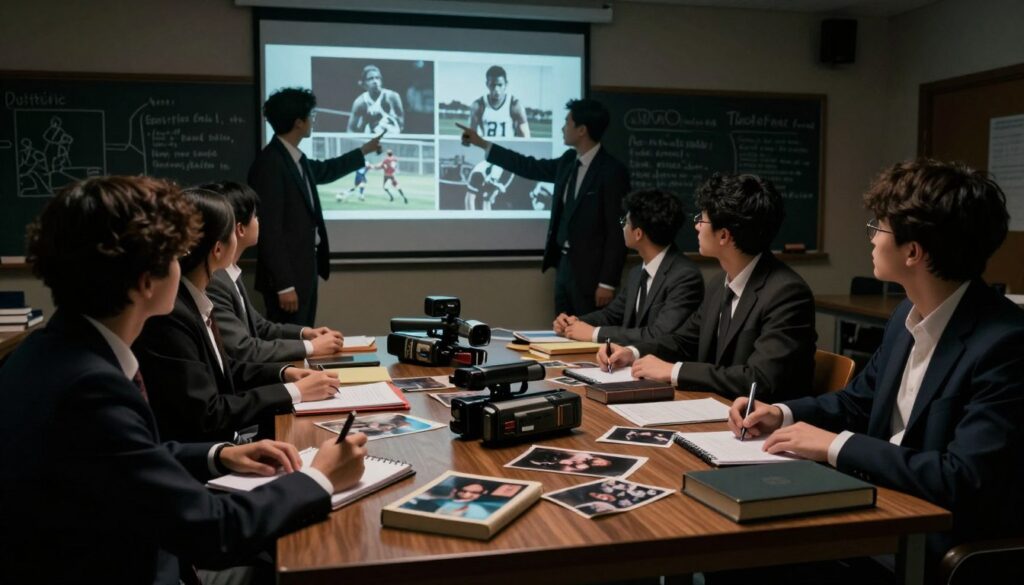
Biopics often simplify events to make heroes. They might leave out details for a cleaner story. Noir films, on the other hand, distort facts to create a mood of cynicism. They might show characters as victims or predators.
For example, analyzing a fight scene can show how films create masculinity. They use real sports history in a way that’s filtered through the genre. Students see how the film uses real events but changes them for the story.
The last step is to ask a big question. Do the noir elements in the scene hide or show a deeper truth? A hidden truth might be simplified for drama. A revealed truth could show the real pressures behind the scenes.
This method works for many films, including unsung sports movies of classic noir. It helps students go from just watching to really analyzing. It shows that truth in films comes from both facts and how they’re presented.
Viewing recommendations + notes
Exploring sports biopics and noirs is enhanced by a well-chosen list of films. These movies showcase the various ways truth can be told.
Raging Bull stands out as a classic. It mixes biopic storytelling with dark noir visuals. This blend adds depth to Jake LaMotta’s story of moral decline.
I, Tonya and Foxcatcher are modern twists. They use crime story elements and psychological suspense. These films question the truthfulness of their subjects’ stories.
Moneyball and The Rider stick to traditional biopic forms. They focus on the rise to fame, sticking to facts over style.
Any Given Sunday and Friday Night Lights are fictional but deeply rooted in sports themes. They capture the essence of sports without being direct adaptations.
Rocky and The Iron Claw represent different ends of the spectrum. Rocky celebrates the underdog spirit. The Iron Claw tells a family tragedy with raw, dramatic honesty.
This list helps understand the genres and their ethical and stylistic challenges. It’s a practical guide for those interested in sports films.