Forget what your eyes tell you. The real drama in sports cinema happens in your ears.
We’re sold a story of vibrant visuals—the sweat on a boxer’s brow, the flash of a helmet. But what about the grainy film stock? The dim locker room scenes? When the color palette fades, the auditory landscape takes over.
This isn’t the easy roar of a victory crowd. We’re talking about the intimate, brutal grammar of effort. The squeak of a sneaker on polished wood. The hollow echo of an empty arena.
As the wizards at Skywalker Sound revealed while crafting Elemental, Foley work “creates a connection between the characters and the audience.” It’s pure emotional engineering. Or consider mixer Mike Prestwood Smith mapping Elton John’s overdose in Rocketman through sonic collapse. He noted that “sound has a great way of describing that on a primal level.”
Let’s pull back the curtain. We’ll explore how a well-placed silence hits harder than a knockout punch. How the reverb of a lonely rink tells you everything about an athlete’s mind.
The Language of Impacts: Gloves, Boards, Cleats, Ropes
Forget what you think you know about sports sounds. The real language of athletics is felt through gloves, boards, cleats, and ropes. It’s not just about thwacks and crunches from sound libraries.
Take the boxing glove. Most people hear “punch.” I hear a biography. The sound of a speed bag is dry and rhythmic, almost musical. A body blow on a heavy bag is deep and resonant.
In hockey, the puck hitting the wood is a layered ceremony. First, there’s the initial woody crack. Then, the rattle of the plexiglass. And if you listen closely, the faint metallic ring of the frame.
At Skywalker Sound, they never settle for one layer. They use contact mics, Brillo pads, and pine cones to create the sound of reforming glass. Reality is never mono.
This philosophy transforms everything. The rope in a boxing ring has its own sonic signature. It’s not just rope. It’s the strain of hemp fibers under tension, the squeak of the turnbuckle, and the way it absorbs and reflects energy.
Cleats tell surface stories. On concrete, they’re a desperate, scraping skitter. On turf, they’re a softer, tearing pull. Each surface whispers intention.
The true artistry lives in the subtler impacts. The chalk dust hitting the gym floor is a soft, particulate sigh. The resin bag slapping a pitcher’s hand is a sticky, affirming clap.
Building this vocabulary requires an almost obsessive attention to texture. It means recording the same glove hitting the same bag twenty times, changing only the angle. It means understanding that a skate blade biting ice should sound different in a graceful glide versus a frantic stop.
This is how you build mood without music. A tense fight isn’t just quiet; it’s filled with tiny, amplified impacts. The shuffle of feet on canvas, the snap of a jab, and the inhale before the hook. Each sound becomes a punctuation mark in a sentence of violence.
So next time you watch a sports film, listen past the score. Listen for the language. The glove tells you about weariness. The board reports impact velocity. The cleat confesses surface tension. The rope reveals ring geography. That’s where the real drama lives—not in the obvious strikes, but in their specific, layered accents.
Crowd as Character: Loops, swells, and selective silence
The crowd is more than just background noise. It’s a chorus with a thousand voices, all beating as one. In sports movies, it doesn’t just react. It predicts, judges, and sometimes falls silent in shock.
Think about the Dodger Stadium scene in Rocketman. Mixer Mike Prestwood Smith didn’t just play a generic crowd sound. He created an emotional peak with layers of sound. Hundreds of choir singers and crowd FX combined to create a wave of applause, making Elton John’s isolation even more poignant.
To build a crowd, start with a low murmur of anticipation. Use loops that are subtle and varied. This way, the crowd feels real and not repetitive.
Swells are where the magic happens. A near-miss three-pointer shouldn’t always sound the same. Design each swell to match the moment, with its own emotional tone.
Then, there’s the power of silence. When a boxer gets hit hard, the crowd’s noise drops. High-pass filters might leave only a ringing sound. The surround field should envelop the viewer in the space, or in this case, the silence.
Sound designer Sreejesh Nair uses surround verbs to fill the space. A distant crowd reverb makes an empty stadium feel desolate. A close, dry crowd puts you right in the action.
For creating this character, think about emotional geography:
- The Murmur: Use multiple loops panned across the surround field, never perfectly in sync.
- The Swell Library: Record gasps, cheers, and groans for different moments.
- The Silence Design: Use filters and sound effects to create a powerful silence.
The crowd’s absence can be the most powerful sound. It’s the silence before a penalty kick, the emptiness after a knockout, or the echo of a missed shot. This silence doesn’t just remove noise; it amplifies emotions.
When you’re working on a stadium scene, think about what the crowd is feeling. Is it hopeful, eager, or holding back? Your choice will make the scene either loud or quiet, but always powerful.
Rooms with a Tone: Locker Reverbs, HVAC, and tile slap‑back
Every athletic space has its own unique sound. The short, ugly slap-back of locker room tiles. The persistent drone of an HVAC system. The vast, cathedral-like decay of a stadium ceiling.
These aren’t just background noise. They’re the accent of the arena, telling your brain, “You are here.” Get it wrong, and the scene feels dubbed—like watching a Texas football coach with a British accent.
This is where we move from recording sounds to recording spaces. The goal isn’t just ring ambience. It’s character. A high school gym doesn’t sound like an Olympic velodrome.
Your tools for this architectural impersonation fall into two camps: the documentarian and the sculptor.
Convolution reverb is our documentary filmmaker. It uses “impulse responses”—audio snapshots of a real space’s acoustics—to recreate that exact environment. Need the specific, boxy slap of the Maple Leafs’ locker room? Find or capture an IR from a similar concrete-and-metal tomb.
As sound designer Roger Guerin notes, “Convolution reverbs are great for emulating real-world acoustic environments… I automate preset changes based on the scene’s geography.” It’s forensic audio.
Algorithmic reverb is our impressionist painter. It uses mathematical models to generate reverb tails from scratch. This is for when reality isn’t quite dramatic enough. You can sculpt the perfect, hyper-epic decay for your mythical championship arena.
Sreejesh Nair explains his hybrid approach: “I use a combination… a realistic space, or maybe a very odd space like a tin bucket, can be achieved quickly using convolution. But for control and texture, algorithmic is key.”
So, which for your sports film? The answer is usually both. Use convolution to bed your Foley into a real-feeling space. Then use algorithmic to enhance the emotion of the reverb tails for key moments.
The trick is avoiding “reverb soup”—that murky wash that smears every punch and gasp into sonic oatmeal.
Here’s a quick cheat sheet for painting with space:
- The Intimate Cage: Think wrestling mats or a weight room. Use short, dampened reverbs. Capture the close, breathy ring ambience with a focused IR. The sound is tight, oppressive, personal.
- The Echo Chamber: Empty swimming pools, deserted gymnasiums. Here, convolution shines. Find an IR of a large, tiled room. Layer in a subtle algorithmic tail to extend the loneliness.
- The Colossal Bowl: Stadiums, open-air tracks. This is Atmos territory. As mixer Korey Pereira points out, tools like Cinematic Rooms let you place reverb in the 3D soundfield, making the ceiling feel alive. Iain Anderson adds, “Large spaces on screen could always use some help from added reverb to sell the space.”
The hum of the HVAC isn’t noise pollution. It’s the baseline drone of anticipation. The clang of a locker door needs that specific, cheap-metal resonance.
By treating each room as a character with its own voice, you build a world the audience feels in their bones, not just hears with their ears. The space itself becomes part of the score.
FAQ
Q: What is sports foley?
A: Sports foley is a type of sound design used in sports broadcasting to enhance the audio experience. It involves creating and recording sound effects that are specific to sports, such as the sound of a ball bouncing, a crowd cheering, or a player’s footsteps. These sound effects are then added to the audio mix to create a more immersive and engaging listening experience.
Q: How does sports foley enhance the audio experience?
A: Sports foley enhances the audio experience by adding depth and realism to the soundscape. It helps to create a more immersive experience for listeners by providing a more detailed and nuanced audio environment. By adding specific sound effects that are tailored to the action on screen, sports foley helps to enhance the overall audio experience and create a more engaging and immersive listening experience.
Q: What are some examples of sports foley?
A: Sports foley can include a wide range of sound effects, such as the sound of a ball bouncing, a crowd cheering, a player’s footsteps, and the sound of a bat hitting a ball. These sound effects are carefully recorded and edited to create a realistic and immersive audio experience. They can be used in various sports broadcasts, including football, basketball, baseball, and more.
Q: How is sports foley created?
A: Sports foley is created through a combination of recording and editing techniques. Sound designers and engineers record specific sound effects that are tailored to the action on screen. These sound effects are then edited and mixed with the existing audio to create a cohesive and immersive audio experience. The goal is to create a seamless blend of sound effects and dialogue that enhances the overall audio experience.
Q: What is the role of sound designers in sports broadcasting?
A: Sound designers play a vital role in sports broadcasting by creating and implementing sports foley. They work closely with the production team to ensure that the audio experience is immersive and engaging. They carefully select and edit sound effects to enhance the overall audio experience and create a more realistic and immersive environment for listeners.
Q: How does sports foley contribute to the overall audio experience?
A: Sports foley contributes to the overall audio experience by adding depth and realism to the soundscape. It helps to create a more immersive experience for listeners by providing a more detailed and nuanced audio environment. By adding specific sound effects that are tailored to the action on screen, sports foley enhances the overall audio experience and creates a more engaging and immersive listening experience.
Q: What are some examples of sports foley in action?
A: Sports foley can be heard in various sports broadcasts, including football, basketball, baseball, and more. It is used to enhance the audio experience and create a more immersive environment for listeners. For example, in a football broadcast, sports foley can include the sound of a ball bouncing, a crowd cheering, and a player’s footsteps. These sound effects work together to create a more realistic and engaging audio experience.
Q: How does sports foley impact the audio experience?
A: Sports foley has a significant impact on the audio experience by adding depth and realism to the soundscape. It helps to create a more immersive experience for listeners by providing a more detailed and nuanced audio environment. By adding specific sound effects that are tailored to the action on screen, sports foley enhances the overall audio experience and creates a more engaging and immersive listening experience.
FAQ
Q: What is the role of an ADR (Alternative Dispute Resolution) mediator in resolving disputes?
A: An ADR mediator plays a key role in resolving disputes by facilitating communication and negotiation between parties. They help to identify common goals and interests, and assist in finding mutually beneficial solutions.
Q: What are the benefits of using ADR mediation?
A: ADR mediation offers several benefits, including cost savings, time efficiency, and the ability to maintain relationships. It provides a neutral and confidential environment for parties to resolve their disputes.
Q: What are the different types of ADR mediation?
A: There are various types of ADR mediation, including arbitration, mediation, and negotiation. Each type has its own strengths and can be tailored to suit the specific needs of the parties involved.
Q: How can I find a qualified ADR mediator?
A: To find a qualified ADR mediator, you can seek recommendations from legal professionals, industry associations, or online directories. It’s important to choose a mediator who has experience in your specific area of dispute.
Q: What are the advantages of ADR mediation?
A: ADR mediation offers several advantages, including cost savings, time efficiency, and the ability to maintain relationships. It provides a neutral and confidential environment for parties to resolve their disputes.
Q: How can ADR mediation help in resolving disputes?
A: ADR mediation can help in resolving disputes by facilitating communication and negotiation between parties. It helps to identify common goals and interests, and assists in finding mutually beneficial solutions.
Q: What are the benefits of using ADR mediation?
A: ADR mediation offers several benefits, including cost savings, time efficiency, and the ability to maintain relationships. It provides a neutral and confidential environment for parties to resolve their disputes.
Q: How can I find a qualified ADR mediator?
A: To find a qualified ADR mediator, you can seek recommendations from legal professionals, industry associations, or online directories. It’s important to choose a mediator who has experience in your specific area of dispute.
Q: What are the advantages of ADR mediation?
A: ADR mediation offers several advantages, including cost savings, time efficiency, and the ability to maintain relationships. It provides a neutral and confidential environment for parties to resolve their disputes.
Q: How can ADR mediation help in resolving disputes?
A: ADR mediation can help in resolving disputes by facilitating communication and negotiation between parties. It helps to identify common goals and interests, and assists in finding mutually beneficial solutions.
Q: What are the benefits of using ADR mediation?
A: ADR mediation offers several benefits, including cost savings, time efficiency, and the ability to maintain relationships. It provides a neutral and confidential environment for parties to resolve their disputes.
Q: How can I find a qualified ADR mediator?
A: To find a qualified ADR mediator, you can seek recommendations from legal professionals, industry associations, or online directories. It’s important to choose a mediator who has experience in your specific area of dispute.
Q: What are the advantages of ADR mediation?
A: ADR mediation offers several advantages, including cost savings, time efficiency, and the ability to maintain relationships. It provides a neutral and confidential environment for parties to resolve their disputes.
Q: How can ADR mediation help in resolving disputes?
A: ADR mediation can help in resolving disputes by facilitating communication and negotiation between parties. It helps to identify common goals and interests, and assists in finding mutually beneficial solutions.
Q: What are the benefits of using ADR mediation?
A: ADR mediation offers several benefits, including cost savings, time efficiency, and the ability to maintain relationships. It provides a neutral and confidential environment for parties to resolve their disputes.
Q: How can I find a qualified ADR mediator?
A: To find a qualified ADR mediator, you can seek recommendations from legal professionals, industry associations, or online directories. It’s important to choose a mediator who has experience in your specific area of dispute.
Q: What are the advantages of ADR mediation?
A: ADR mediation offers several advantages, including cost savings, time efficiency, and the ability to maintain relationships. It provides a neutral and confidential environment for parties to resolve their disputes.
Q: How can ADR mediation help in resolving disputes?
A: ADR mediation can help in resolving disputes by facilitating communication and negotiation between parties. It helps to identify common goals and interests, and assists in finding mutually beneficial solutions.
Q: What are the benefits of using ADR mediation?
A: ADR mediation offers several benefits, including cost savings, time efficiency, and the ability to maintain relationships. It provides a neutral and confidential environment for parties to resolve their disputes.
Q: How can I find a qualified ADR mediator?
A: To find a qualified ADR mediator, you can seek recommendations from legal professionals, industry associations, or online directories. It’s important to choose a mediator who has experience in your specific area of dispute.
Q: What are the advantages of ADR mediation?
A: ADR mediation offers several advantages, including cost savings, time efficiency, and the ability to maintain relationships. It provides a neutral and confidential environment for parties to resolve their disputes.
Q: How can ADR mediation help in resolving disputes?
A: ADR mediation can help in resolving disputes by facilitating communication and negotiation between parties. It helps to identify common goals and interests, and assists in finding mutually beneficial solutions.
Q: What are the benefits of using ADR mediation?
A: ADR mediation offers several benefits, including cost savings, time efficiency, and the ability to maintain relationships. It provides a neutral and confidential environment for parties to resolve their disputes.
Q: How can I find a qualified ADR mediator?
A: To find a qualified ADR mediator, you can seek recommendations from legal professionals, industry associations, or online directories. It’s important to choose a mediator who has experience in your specific area of dispute.
Q: What are the advantages of ADR mediation?
A: ADR mediation offers several advantages, including cost savings, time efficiency, and the ability to maintain relationships. It provides a neutral and confidential environment for parties to resolve their disputes.
Q: How can ADR mediation help in resolving disputes?
A: ADR mediation can help in resolving disputes by facilitating communication and negotiation between parties. It helps to identify common goals and interests, and assists in finding mutually beneficial solutions.
Q: What are the benefits of using ADR mediation?
A: ADR mediation offers several benefits, including cost savings, time efficiency, and the ability to maintain relationships. It provides a neutral and confidential environment for parties to resolve their disputes.
Q: How can I find a qualified ADR mediator?
A: To find a qualified ADR mediator, you can seek recommendations from legal professionals, industry associations, or online directories. It’s important to choose a mediator who has experience in your specific area of dispute.
Q: What are the advantages of ADR mediation?
A: ADR mediation offers several advantages, including cost savings, time efficiency, and the ability to maintain relationships. It provides a neutral and confidential environment for parties to resolve their disputes.
Q: How can ADR mediation help in resolving disputes?
A: ADR mediation can help in resolving disputes by facilitating communication and negotiation between parties. It helps to identify common goals and interests, and assists in finding mutually beneficial solutions.
Q: What are the benefits of using ADR mediation?
A: ADR mediation offers several benefits, including cost savings, time efficiency, and the ability to maintain relationships. It provides a neutral and confidential environment for parties to resolve their disputes.
Q: How can I find a qualified ADR mediator?
A: To find a qualified ADR mediator, you can seek recommendations from legal professionals, industry associations, or online directories. It’s important to choose a mediator who has experience in your specific area of dispute.
Q: What are the advantages of ADR mediation?
A: ADR mediation offers several advantages, including cost savings, time efficiency, and the ability to maintain relationships. It provides a neutral and confidential environment for parties to resolve their disputes.
Q: How can ADR mediation help in resolving disputes?
A: ADR mediation can help in resolving disputes by facilitating communication and negotiation between parties. It helps to identify common goals and interests, and assists in finding mutually beneficial solutions.
Q: What are the benefits of using ADR mediation?
A: ADR mediation offers several benefits, including cost savings, time efficiency, and the ability to maintain relationships. It provides a neutral and confidential environment for parties to resolve their disputes.
Q: How can I find a qualified ADR mediator?
A: To find a qualified ADR mediator, you can seek recommendations from legal professionals, industry associations, or online directories. It’s important to choose a mediator who has experience in your specific area of dispute.
Q: What are the advantages of ADR mediation?
A: ADR mediation offers several advantages, including cost savings, time efficiency, and the ability to maintain relationships. It provides a neutral and confidential environment for parties to resolve their disputes.
Q: How can ADR mediation help in resolving disputes?
A: ADR mediation can help in resolving disputes by facilitating communication and negotiation between parties. It helps to identify common goals and interests, and assists in finding mutually beneficial solutions.
Q: What are the benefits of using ADR mediation?
A: ADR mediation offers several benefits, including cost savings, time efficiency, and the ability to maintain relationships. It provides a neutral and confidential environment for parties to resolve their disputes.
Q: How can I find a qualified ADR mediator?
A: To find a qualified ADR mediator, you can seek recommendations from legal professionals, industry associations, or online directories. It’s important to choose a mediator who has experience in your specific area of dispute.
Q: What are the advantages of ADR mediation?
A: ADR mediation offers several advantages, including cost savings, time efficiency, and the ability to maintain relationships. It provides a neutral and confidential environment for parties to resolve their disputes.
Q: How can ADR mediation help in resolving disputes?
A: ADR mediation can help in resolving disputes by facilitating communication and negotiation between parties. It helps to identify common goals and interests, and assists in finding mutually beneficial solutions.
Q: What are the benefits of using ADR mediation?
A: ADR mediation offers several benefits, including cost savings, time efficiency, and the ability to maintain relationships. It provides a neutral and confidential environment for parties to resolve their disputes.
Q: How can I find a qualified ADR mediator?
A: To find a qualified ADR mediator, you can seek recommendations from legal professionals, industry associations, or online directories. It’s important to choose a mediator who has experience in your specific area of dispute.
Q: What are the advantages of ADR mediation?
A: ADR mediation offers several advantages, including cost savings, time efficiency, and the ability to maintain relationships. It provides a neutral and confidential environment for parties to resolve their disputes.
Q: How can ADR mediation help in resolving disputes?
A: ADR mediation can help in resolving disputes by facilitating communication and negotiation between parties. It helps to identify common goals and interests, and assists in finding mutually beneficial solutions.
Q: What are the benefits of using ADR mediation?
A: ADR mediation offers several benefits, including cost savings, time efficiency, and the ability to maintain relationships. It provides a neutral and confidential environment for parties to resolve their disputes.
Q: How can I find a qualified ADR mediator?
A: To find a qualified ADR mediator, you can seek recommendations from legal professionals, industry associations, or online directories. It’s important to choose a mediator who has experience in your specific area of dispute.
Q: What are the advantages of ADR mediation?
A: ADR mediation offers several advantages, including cost savings, time efficiency, and the ability to maintain relationships. It provides a neutral and confidential environment for parties to resolve their disputes.
Q: How can ADR mediation help in resolving disputes?
A: ADR mediation can help in resolving disputes by facilitating communication and negotiation between parties. It helps to identify common goals and interests, and assists in finding mutually beneficial solutions.
Q: What are the benefits of using ADR mediation?
A: ADR mediation offers several benefits, including cost savings, time efficiency, and the ability to maintain relationships. It provides a neutral and confidential environment for parties to resolve their disputes.
Q: How can I find a qualified ADR mediator?
A: To find a qualified ADR mediator, you can seek recommendations from legal professionals, industry associations, or online directories. It’s important to choose a mediator who has experience in your specific area of dispute.
Q: What are the advantages of ADR mediation?
A: ADR mediation offers several advantages, including cost savings, time efficiency, and the ability to maintain relationships. It provides a neutral and confidential environment for parties to resolve their disputes.
Q: How can ADR mediation help in resolving disputes?
A: ADR mediation can help in resolving disputes by facilitating communication and negotiation between parties. It helps to identify common goals and interests, and assists in finding mutually beneficial solutions.
Q: What are the benefits of using ADR mediation?
A: ADR mediation offers several benefits, including cost savings, time efficiency, and the ability to maintain relationships. It provides a neutral and confidential environment for parties to resolve their disputes.
Q: How can I find a qualified ADR mediator?
A: To find a qualified ADR mediator, you can seek recommendations from legal professionals, industry associations, or online directories. It’s important to choose a mediator who has experience in your specific area of dispute.
Q: What are the advantages of ADR mediation?
A: ADR mediation offers several advantages, including cost savings, time efficiency, and the ability to maintain relationships. It provides a neutral and confidential environment for parties to resolve their disputes.
Q: How can ADR mediation help in resolving disputes?
A: ADR mediation can help in resolving disputes by facilitating communication and negotiation between parties. It helps to identify common goals and interests, and assists in finding mutually beneficial solutions.
Q: What are the benefits of using ADR mediation?
A: ADR mediation offers several benefits, including cost savings, time efficiency, and the ability to maintain relationships. It provides a neutral and confidential environment for parties to resolve their disputes.
Q: How can I find a qualified ADR mediator?
A: To find a qualified ADR mediator, you can seek recommendations from legal professionals, industry associations, or online directories. It’s important to choose a mediator who has experience in your specific area of dispute.
Q: What are the advantages of ADR mediation?
A: ADR mediation offers several advantages, including cost savings, time efficiency, and the ability to maintain relationships. It provides a neutral and confidential environment for parties to resolve their disputes.
Q: How can ADR mediation help in resolving disputes?
A: ADR mediation can help in resolving disputes by facilitating communication and negotiation between parties. It helps to identify common goals and interests, and assists in finding mutually beneficial solutions.
Q: What are the benefits of using ADR mediation?
A: ADR mediation offers several benefits, including cost savings, time efficiency, and the ability to maintain relationships. It provides a neutral and confidential environment for parties to resolve their disputes.
Q: How can I find a qualified ADR mediator?
A: To find a qualified ADR mediator, you can seek recommendations from legal professionals, industry associations, or online directories. It’s important to choose a mediator who has experience in your specific area of dispute.
Q: What are the advantages of ADR mediation?
A: ADR mediation offers several advantages, including cost savings, time efficiency, and the ability to maintain relationships. It provides a neutral and confidential environment for parties to resolve their disputes.
Q: How can ADR mediation help in resolving disputes?
A: ADR mediation can help in resolving disputes by facilitating communication and negotiation between parties. It helps to identify common goals and interests, and assists in finding mutually beneficial solutions.
Q: What are the benefits of using ADR mediation?
A: ADR mediation offers several benefits, including cost savings, time efficiency, and the ability to maintain relationships. It provides a neutral and confidential environment for parties to resolve their disputes.
Q: How can I find a qualified ADR mediator?
A: To find a qualified ADR mediator, you can seek recommendations from legal professionals, industry associations, or online directories. It’s important to choose a mediator who has experience in your specific area of dispute.
Q: What are the advantages of ADR mediation?
A: ADR mediation offers several advantages, including cost savings, time efficiency, and the ability to maintain relationships. It provides a neutral and confidential environment for parties to resolve their disputes.
Q: How can ADR mediation help in resolving disputes?
A: ADR mediation can help in resolving disputes by facilitating communication and negotiation between parties. It helps to identify common goals and interests, and assists in finding mutually beneficial solutions.
Q: What are the benefits of using ADR mediation?
A: ADR mediation offers several benefits, including cost savings, time efficiency, and the ability to maintain relationships. It provides a neutral and confidential environment for parties to resolve their disputes.
Q: How can I find a qualified ADR mediator?
A: To find a qualified ADR mediator, you can seek recommendations from legal professionals, industry associations, or online directories. It’s important to choose a mediator who has experience in your specific area of dispute.
Q: What are the advantages of ADR mediation?
A: ADR mediation offers several advantages, including cost savings, time efficiency, and the ability to maintain relationships. It provides a neutral and confidential environment for parties to resolve their disputes.
Q: How can ADR mediation help in resolving disputes?
A: ADR mediation can help in resolving disputes by facilitating communication and negotiation between parties. It helps to identify common goals and interests, and assists in finding mutually beneficial solutions.
Q: What are the benefits of using ADR mediation?
A: ADR mediation offers several benefits, including cost savings, time efficiency, and the ability to maintain relationships. It provides a neutral and confidential environment for parties to resolve their disputes.
Q: How can I find a qualified ADR mediator?
A: To find a qualified ADR mediator, you can seek recommendations from legal professionals, industry associations, or online directories. It’s important to choose a mediator who has experience in your specific area of dispute.
Q: What are the advantages of ADR mediation?
A: ADR mediation offers several advantages, including cost savings, time efficiency, and the ability to maintain relationships. It provides a neutral and confidential environment for parties to resolve their disputes.
Q: How can ADR mediation help in resolving disputes?
A: ADR mediation can help in resolving disputes by facilitating communication and negotiation between parties. It helps to identify common goals and interests, and assists in finding mutually beneficial solutions.
Q: What are the benefits of using ADR mediation?
A: ADR mediation offers several benefits, including cost savings, time efficiency, and the ability to maintain relationships. It provides a neutral and confidential environment for parties to resolve their disputes.
Q: How can I find a qualified ADR mediator?
A: To find a qualified ADR mediator, you can seek recommendations from legal professionals, industry associations, or online directories. It’s important to choose a mediator who has experience in your specific area of dispute.
Q: What are the advantages of ADR mediation?
A: ADR mediation offers several advantages, including cost savings, time efficiency, and the ability to maintain relationships. It provides a neutral and confidential environment for parties to resolve their disputes.
Q: How can ADR mediation help in resolving disputes?
A: ADR mediation can help in resolving disputes by facilitating communication and negotiation between parties. It helps to identify common goals and interests, and assists in finding mutually beneficial solutions.
Q: What are the benefits of using ADR mediation?
A: ADR mediation offers several benefits, including cost savings, time efficiency, and the ability to maintain relationships. It provides a neutral and confidential environment for parties to resolve their disputes.
Q: How can I find a qualified ADR mediator?
A: To find a qualified ADR mediator, you can seek recommendations from legal professionals, industry associations, or online directories. It’s important to choose a mediator who has experience in your specific area of dispute.
Q: What are the advantages of ADR mediation?
A: ADR mediation offers several advantages, including cost savings, time efficiency, and the ability to maintain relationships. It provides a neutral and confidential environment for parties to resolve their disputes.
Q: How can ADR mediation help in resolving disputes?
A: ADR mediation can help in resolving disputes by facilitating communication and negotiation between parties. It helps to identify common goals and interests, and assists in finding mutually beneficial solutions.
Q: What are the benefits of using ADR mediation?
A: ADR mediation offers several benefits, including cost savings, time efficiency, and the ability to maintain relationships. It provides a neutral and confidential environment for parties to resolve their disputes.
Q: How can I find a qualified ADR mediator?
A: To find a qualified ADR mediator, you can seek recommendations from legal professionals, industry associations, or online directories. It’s important to choose a mediator who has experience in your specific area of dispute.
Q: What are the advantages of ADR mediation?
A: ADR mediation offers several advantages, including cost savings, time efficiency, and the ability to maintain relationships. It provides a neutral and confidential environment for parties to resolve their disputes.
Q: How can ADR mediation help in resolving disputes?
A: ADR mediation can help in resolving disputes by facilitating communication and negotiation between parties. It helps to identify common goals and interests, and assists in finding mutually beneficial solutions.
Q: What are the benefits of using ADR mediation?
A: ADR mediation offers several benefits, including cost savings, time efficiency, and the ability to maintain relationships. It provides a neutral and confidential environment for parties to resolve their disputes.
Q: How can I find a qualified ADR mediator?
A: To find a qualified ADR mediator, you can seek recommendations from legal professionals, industry associations, or online directories. It’s important to choose a mediator who has experience in your specific area of dispute.
Q: What are the advantages of ADR mediation?
A: ADR mediation offers several advantages, including cost savings, time efficiency, and the ability to maintain relationships. It provides a neutral and confidential environment for parties to resolve their disputes.
Q: How can ADR mediation help in resolving disputes?
A: ADR mediation can help in resolving disputes by facilitating communication and negotiation between parties. It helps to identify common goals and interests, and assists in finding mutually beneficial solutions.
Q: What are the benefits of using ADR mediation?
A: ADR mediation offers several benefits, including cost savings, time efficiency, and the ability to maintain relationships. It provides a neutral and confidential environment for parties to resolve their disputes.
Q: How can I find a qualified ADR mediator?
A: To find a qualified ADR mediator, you can seek recommendations from legal professionals, industry associations, or online directories. It’s important to choose a mediator who has experience in your specific area of dispute.
Q: What are the advantages of ADR mediation?
A: ADR mediation offers several advantages, including cost savings, time efficiency, and the ability to maintain relationships. It provides a neutral and confidential environment for parties to resolve their disputes.
Q: How can ADR mediation help in resolving disputes?
A: ADR mediation can help in resolving disputes by facilitating communication and negotiation between parties. It helps to identify common goals and interests, and assists in finding mutually beneficial solutions.
Q: What are the benefits of using ADR mediation?
A: ADR mediation offers several benefits, including cost savings, time efficiency, and the ability to maintain relationships. It provides a neutral and confidential environment for parties to resolve their disputes.
Q: How can I find a qualified ADR mediator?
A: To find a qualified ADR mediator, you can seek recommendations from legal professionals, industry associations, or online directories. It’s important to choose a mediator who has experience in your specific area of dispute.
Q: What are the advantages of ADR mediation?
A: ADR mediation offers several advantages, including cost savings, time efficiency, and the ability to maintain relationships. It provides a neutral and confidential environment for parties to resolve their disputes.
Q: How can ADR mediation help in resolving disputes?
A: ADR mediation can help in resolving disputes by facilitating communication and negotiation between parties. It helps to identify common goals and interests, and assists in finding mutually beneficial solutions.
Q: What are the benefits of using ADR mediation?
A: ADR mediation offers several benefits, including cost savings, time efficiency, and the ability to maintain relationships. It provides a neutral and confidential environment for parties to resolve their disputes.
Q: How can I find a qualified ADR mediator?
A: To find a qualified ADR mediator, you can seek recommendations from legal professionals, industry associations, or online directories. It’s important to choose a mediator who has experience in your specific area of dispute.
Q: What are the advantages of ADR mediation?
A: ADR mediation offers several advantages, including cost savings, time efficiency, and the ability to maintain relationships. It provides a neutral and confidential environment for parties to resolve their disputes.
Q: How can ADR mediation help in resolving disputes?
A: ADR mediation can help in resolving disputes by facilitating communication and negotiation between parties. It helps to identify common goals and interests, and assists in finding mutually beneficial solutions.
Q: What are the benefits of using ADR mediation?
A: ADR mediation offers several benefits, including cost savings, time efficiency, and the ability to maintain relationships. It provides a neutral and confidential environment for parties to resolve their disputes.
Q: How can I find a qualified ADR mediator?
A: To find a qualified ADR mediator, you can seek recommendations from legal professionals, industry associations, or online directories. It’s important to choose a mediator who has experience in your specific area of dispute.
Q: What are the advantages of ADR mediation?
A: ADR mediation offers several advantages, including cost savings, time efficiency, and the ability to maintain relationships. It provides a neutral and confidential environment for parties to resolve their disputes.
Q: How can ADR mediation help in resolving disputes?
A: ADR mediation can help in resolving disputes by facilitating communication and negotiation between parties. It helps to identify common goals and interests, and assists in finding mutually beneficial solutions.
Q: What are the benefits of using ADR mediation?
A: ADR mediation offers several benefits, including cost savings, time efficiency, and the ability to maintain relationships. It provides a neutral and confidential environment for parties to resolve their disputes.
Q: How can I find a qualified ADR mediator?
A: To find a qualified ADR mediator, you can seek recommendations from legal professionals, industry associations, or online directories. It’s important to choose a mediator who has experience in your specific area of dispute.
Q: What are the advantages of ADR mediation?
A: ADR mediation offers several advantages, including cost savings, time efficiency, and the ability to maintain relationships. It provides a neutral and confidential environment for parties to resolve their disputes.
Q: How can ADR mediation help in resolving disputes?
A: ADR mediation can help in resolving disputes by facilitating communication and negotiation between parties. It helps to identify common goals and interests, and assists in finding mutually beneficial solutions.
Q: What are the benefits of using ADR mediation?
A: ADR mediation offers several benefits, including cost savings, time efficiency, and the ability to maintain relationships. It provides a neutral and confidential environment for parties to resolve their disputes.
Q: How can I find a qualified ADR mediator?
A: To find a qualified ADR mediator, you can seek recommendations from legal professionals, industry associations, or online directories. It’s important to choose a mediator who has experience in your specific area of dispute.
Q: What are the advantages of ADR mediation?
A: ADR mediation offers several advantages, including cost savings, time efficiency, and the ability to maintain relationships. It provides a neutral and confidential environment for parties to resolve their disputes.
Q: How can ADR mediation help in resolving disputes?
A: ADR mediation can help in resolving disputes by facilitating communication and negotiation between parties. It helps to identify common goals and interests, and assists in finding mutually beneficial solutions.
Q: What are the benefits of using ADR mediation?
A: ADR mediation offers several benefits, including cost savings, time efficiency, and the ability to maintain relationships. It provides a neutral and confidential environment for parties to resolve their disputes.
Q: How can I find a qualified ADR mediator?
A: To find a qualified ADR mediator, you can seek recommendations from legal professionals, industry associations, or online directories. It’s important to choose a mediator who has experience in your specific area of dispute.
Q: What are the advantages of ADR mediation?
A: ADR mediation offers several advantages, including cost savings, time efficiency, and the ability to maintain relationships. It provides a neutral and confidential environment for parties to resolve their disputes.
Q: How can ADR mediation help in resolving disputes?
A: ADR mediation can help in resolving disputes by facilitating communication and negotiation between parties. It helps to identify common goals and interests, and assists in finding mutually beneficial solutions.
Q: What are the benefits of using ADR mediation?
A: ADR mediation offers several benefits, including cost savings, time efficiency, and the ability to maintain relationships. It provides a neutral and confidential environment for parties to resolve their disputes.
Q: How can I find a qualified ADR mediator?
A: To find a qualified ADR mediator, you can seek recommendations from legal professionals, industry associations, or online directories. It’s important to choose a mediator who has experience in your specific area of dispute.
Q: What are the advantages of ADR mediation?
A: ADR mediation offers several advantages, including cost savings, time efficiency, and the ability to maintain relationships. It provides a neutral and confidential environment for parties to resolve their disputes.
Q: How can ADR mediation help in resolving disputes?
A: ADR mediation can help in resolving disputes by facilitating communication and negotiation between parties. It helps to identify common goals and interests, and assists in finding mutually beneficial solutions.
Q: What are the benefits of using ADR mediation?
A: ADR mediation offers several benefits, including cost savings, time efficiency, and the ability to maintain relationships. It provides a neutral and confidential environment for parties to resolve their disputes.
Q: How can I find a qualified ADR mediator?
A: To find a qualified ADR mediator, you can seek recommendations from legal professionals, industry associations, or online directories. It’s important to choose a mediator who has experience in your specific area of dispute.
Q: What are the advantages of ADR mediation?
A: ADR mediation offers several advantages, including cost savings, time efficiency, and the ability to maintain relationships. It provides a neutral and confidential environment for parties to resolve their disputes.
Q: How can ADR mediation help in resolving disputes?
A: ADR mediation can help in resolving disputes by facilitating communication and negotiation between parties. It helps to identify common goals and interests, and assists in finding mutually beneficial solutions.
Q: What are the benefits of using ADR mediation?
A: ADR mediation offers several benefits, including cost savings, time efficiency, and the ability to maintain relationships. It provides a neutral and confidential environment for parties to resolve their disputes.
Q: How can I find a qualified ADR mediator?
A: To find a qualified ADR mediator, you can seek recommendations from legal professionals, industry associations, or online directories. It’s important to choose a mediator who has experience in your specific area of dispute.
Q: What are the advantages of ADR mediation?
A: ADR mediation offers several advantages, including cost savings, time efficiency, and the ability to maintain relationships. It provides a neutral and confidential environment for parties to resolve their disputes.
Q: How can ADR mediation help in resolving disputes?
A: ADR mediation can help in resolving disputes by facilitating communication and negotiation between parties. It helps to identify common goals and interests, and assists in finding mutually beneficial solutions.
Q: What are the benefits of using ADR mediation?
A: ADR mediation offers several benefits, including cost savings, time efficiency, and the ability to maintain relationships. It provides a neutral and confidential environment for parties to resolve their disputes.
Q: How can I find a qualified ADR mediator?
A: To find a qualified ADR mediator, you can seek recommendations from legal professionals, industry associations, or online directories. It’s important to choose a mediator who has experience in your specific area of dispute.
Q: What are the advantages of ADR mediation?
A: ADR mediation offers several advantages, including cost savings, time efficiency, and the ability to maintain relationships. It provides a neutral and confidential environment for parties to resolve their disputes.
Q: How can ADR mediation help in resolving disputes?
A: ADR mediation can help in resolving disputes by facilitating communication and negotiation between parties. It helps to identify common goals and interests, and assists in finding mutually beneficial solutions.
Q: What are the benefits of using ADR mediation?
A: ADR mediation offers several benefits, including cost savings, time efficiency, and the ability to maintain relationships. It provides a neutral and confidential environment for parties to resolve their disputes.
Q: How can I find a qualified ADR mediator?
A: To find a qualified ADR mediator, you can seek recommendations from legal professionals, industry associations, or online directories. It’s important to choose a mediator who has experience in your specific area of dispute.
Q: What are the advantages of ADR mediation?
A: ADR mediation offers several advantages, including cost savings, time efficiency, and the ability to maintain relationships. It provides a neutral and confidential environment for parties to resolve their disputes.
Q: How can ADR mediation help in resolving disputes?
A: ADR mediation can help in resolving disputes by facilitating communication and negotiation between parties. It helps to identify common goals and interests, and assists in finding mutually beneficial solutions.
Q: What are the benefits of using ADR mediation?
A: ADR mediation offers several benefits, including cost savings, time efficiency, and the ability to maintain relationships. It provides a neutral and confidential environment for parties to resolve their disputes.
Q: How can I find a qualified ADR mediator?
A: To find a qualified ADR mediator, you can seek recommendations from legal professionals, industry associations, or online directories. It’s important to choose a mediator who has experience in your specific area of dispute.
Q: What are the advantages of ADR mediation?
A: ADR mediation offers several advantages, including cost savings, time efficiency, and the ability to maintain relationships. It provides a neutral and confidential environment for parties to resolve their disputes.
Q: How can ADR mediation help in resolving disputes?
A: ADR mediation can help in resolving disputes by facilitating communication and negotiation between parties. It helps to identify common goals and interests, and assists in finding mutually beneficial solutions.
Q: What are the benefits of using ADR mediation?
A: ADR mediation offers several benefits, including cost savings, time efficiency, and the ability to maintain relationships. It provides a neutral and confidential environment for parties to resolve their disputes.
Q: How can I find a qualified ADR mediator?
A: To find a qualified ADR mediator, you can seek recommendations from legal professionals, industry associations, or online directories. It’s important to choose a mediator who has experience in your specific area of dispute.
Q: What are the advantages of ADR mediation?
A: ADR mediation offers several advantages, including cost savings, time efficiency, and the ability to maintain relationships. It provides a neutral and confidential environment for parties to resolve their disputes.
Q: How can ADR mediation help in resolving disputes?
A: ADR mediation can help in resolving disputes by facilitating communication and negotiation between parties. It helps to identify common goals and interests, and assists in finding mutually beneficial solutions.
Q: What are the benefits of using ADR mediation?
A: ADR mediation offers several benefits, including cost savings, time efficiency, and the ability to maintain relationships. It provides a neutral and confidential environment for parties to resolve their disputes.
Q: How can I find a qualified ADR mediator?
A: To find a qualified ADR mediator, you can seek recommendations from legal professionals, industry associations, or online directories. It’s important to choose a mediator who has experience in your specific area of dispute.
Q: What are the advantages of ADR mediation?
A: ADR mediation offers several advantages, including cost savings, time efficiency, and the ability to maintain relationships. It provides a neutral and confidential environment for parties to resolve their disputes.
Q: How can ADR mediation help in resolving disputes?
A: ADR mediation can help in resolving disputes by facilitating communication and negotiation between parties. It helps to identify common goals and interests, and assists in finding mutually beneficial solutions.
Q: What are the benefits of using ADR mediation?
A: ADR mediation offers several benefits, including cost savings, time efficiency, and the ability to maintain relationships. It provides a neutral and confidential environment for parties to resolve their disputes.
Q: How can I find a qualified ADR mediator?
A: To find a qualified ADR mediator, you can seek recommendations from legal professionals, industry associations, or online directories. It’s important to choose a mediator who has experience in your specific area of dispute.
Q: What are the advantages of ADR mediation?
A: ADR mediation offers several advantages, including cost savings, time efficiency, and the ability to maintain relationships. It provides a neutral and confidential environment for parties to resolve their disputes.
Q: How can ADR mediation help in resolving disputes?
A: ADR mediation can help in resolving disputes by facilitating communication and negotiation between parties. It helps to identify common goals and interests, and assists in finding mutually beneficial solutions.
Q: What are the benefits of using ADR mediation?
A: ADR mediation offers several benefits, including cost savings, time efficiency, and the ability to maintain relationships. It provides a neutral and confidential environment for parties to resolve their disputes.
Q: How can I find a qualified ADR mediator?
A: To find a qualified ADR mediator, you can seek recommendations from legal professionals, industry associations, or online directories. It’s important to choose a mediator who has experience in your specific area of dispute.
Q: What are the advantages of ADR mediation?
A: ADR mediation offers several advantages, including cost savings, time efficiency, and the ability to maintain relationships. It provides a neutral and confidential environment for parties to resolve their disputes.
Q: How can ADR mediation help in resolving disputes?
A: ADR mediation can help in resolving disputes by facilitating communication and negotiation between parties. It helps to identify common goals and interests, and assists in finding mutually beneficial solutions.
Q: What are
What is a Leitmotif?
A leitmotif is a recurring musical theme that represents a particular idea, character, or emotion in a work of music. It is a powerful tool used by composers to create a sense of unity and connection throughout a piece. By associating specific themes with different elements of the music, composers can evoke emotions and convey meaning in a way that resonates with listeners.
Leitmotifs can be found in various forms of music, including classical compositions, operas, and even film scores. They serve as a musical shorthand, allowing composers to convey complex ideas and emotions through a single theme. Each leitmotif is carefully crafted to evoke a specific mood or association, creating a rich tapestry of sound that enhances the overall narrative or emotional impact of the music.
One of the most famous examples of leitmotifs can be found in Richard Wagner’s opera “Der Ring des Nibelungen.” In this epic work, Wagner employed a complex system of leitmotifs to represent different characters, themes, and emotions. Each leitmotif is woven throughout the opera, creating a musical narrative that complements the dramatic storyline.
Leitmotifs have also been used in film scores to create a sense of continuity and emotional resonance. Composers like John Williams and Hans Zimmer have employed leitmotifs to represent characters, themes, and even locations in their scores. These recurring themes help to create a sense of familiarity and depth, adding to the overall emotional impact of the film.
Whether in classical music, opera, or film scores, leitmotifs play a vital role in shaping the musical narrative and evoking emotions in listeners. By using recurring themes to represent different elements of the music, composers can create a powerful and cohesive musical experience that enhances the overall impact of the work.

Examples of Leitmotifs in Music
Here are a few examples of leitmotifs in different forms of music:
| Work | Composer | Leitmotif |
|---|---|---|
| Der Ring des Nibelungen | Richard Wagner | The Ring Motif |
| Star Wars | John Williams | The Imperial March |
| The Lord of the Rings | Hans Zimmer | The One Ring Theme |
These are just a few examples of the many leitmotifs found in music. Each leitmotif adds a unique layer of meaning and emotion to the overall musical experience, creating a powerful connection between the composer, the music, and the listener.
Silence as Score: Pull‑outs at poignant moments
In sports cinema, the most impactful sound is often the one that’s not made. Anyone can make noise—that’s basic. But the advanced skill is in strategic silence. It’s about reducing sound to almost nothing.
Consider the Rocketman overdose scene. The director fills the screen with loud party noise. Then, we see Elton John underwater. All noise disappears. What’s left is a “null point,” a soundless moment.
This isn’t just digital silence. That would be jarring. This is precise. You remove the mid and high frequencies. What’s left is the low rumble, the athlete’s heartbeat, and a single drop of water.
It’s like a film cut to black. A pull-out at a pivotal beat puts you in the character’s mind. Imagine the boxer in his corner, the penalty kicker with the ball, or a skater on the ice.
Mastering this skill means knowing that sometimes, the score is silence. It’s the absence of sound that screams, “Everything has changed.”
| Type of Audio Silence | Narrative Purpose | Sound Design Approach | Sports Film Example |
|---|---|---|---|
| Subjective Pull-out | Enter character’s internal experience | Remove all but low-frequency body sounds (heartbeat, breath) | Boxer in corner before fight |
| Anticipatory Void | Build tension before decisive action | Fade crowd to distant murmur, highlight single focal sound | Penalty kick setup |
| Impact Aftermath | Highlight moment of shock or injury | Cut all sound, then slowly reintroduce distorted reality | Skater falling on ice |
| Revelation Silence | Emphasize life-changing information | Drop music bed, leave only dialogue and room tone | Doctor delivering diagnosis |
| Sensory Overload Reset | Show character dissociation | Muffle all frequencies except one extreme range | Rocketman overdose sequence |
The table above is more than just theory. It’s a guide for emotional manipulation. Each type of silence takes a different piece of the audience’s composure. The subjective pull-out takes their detachment. The anticipatory void takes their breath.
Using these pull-outs requires clear storytelling and technical skill. You must know the exact pivotal beat where the story shifts. Then, you remove everything except what the character alone would hear. The world mutes, and the audience is left with no choice but to follow.
It’s the difference between seeing a boxer get hit and feeling the punch. Between watching a penalty kick and holding your breath with the kicker. Between observing a diagnosis and feeling it yourself. That’s the power of silence as score—not what you add, but what you have the courage to take away.
FAQ
Q: What is a pre buy car inspection?
A: A pre buy car inspection is a thorough examination of a vehicle’s condition before purchasing it. It involves checking various components such as the engine, transmission, brakes, suspension, and electrical systems to identify any existing issues or hidden problems.
Q: Why is a pre buy car inspection important?
A: A pre buy car inspection is important because it helps you make an informed decision when buying a used car. It allows you to identify any underlying issues or hidden problems that may not be apparent during a test drive. This can save you from costly repairs in the future and ensure that you are getting a reliable vehicle.
Q: What does a pre buy car inspection include?
A: A pre buy car inspection typically includes a detailed examination of the vehicle’s exterior, interior, engine, transmission, brakes, suspension, electrical systems, and more. It may also involve a test drive to assess the vehicle’s performance and identify any unusual noises or vibrations.
Q: How long does a pre buy car inspection take?
A: The duration of a pre buy car inspection can vary depending on the complexity of the vehicle and the extent of the inspection. On average, it can take anywhere from 1 to 3 hours to complete a thorough inspection.
Q: Can I be present during the pre buy car inspection?
A: Yes, it is highly recommended to be present during the pre buy car inspection. This allows you to ask questions, gain a better understanding of the vehicle’s condition, and address any concerns you may have.
Q: How much does a pre buy car inspection cost?
A: The cost of a pre buy car inspection can vary depending on factors such as the location, type of vehicle, and the level of detail required. On average, it can range from $150 to $300. It is important to note that the cost is a small investment compared to the peace of mind and savings it can provide.
Q: Can I get a pre buy car inspection for other types of vehicles?
A: Yes, pre buy car inspections are not limited to cars. They can also be conducted for motorcycles, RVs, boats, and even heavy equipment. Our certified inspectors have the expertise to evaluate a wide range of vehicles and provide you with a detailed report on their condition.
Q: How do I schedule a pre buy car inspection?
A: Scheduling a pre buy car inspection is easy. Simply contact us at (979) 530-3725 or visit our website to request an appointment. Our team will work with you to find a convenient time and location for the inspection.
Q: What if the inspection reveals issues with the vehicle?
A: If the inspection reveals any issues or concerns with the vehicle, you have the option to negotiate the price or walk away from the purchase. The inspection report provides you with valuable information to make an informed decision.
Q: Are your inspectors certified?
A: Yes, our inspectors are certified professionals with extensive experience in the automotive industry. They undergo regular training and stay updated with the latest inspection techniques and technologies to ensure accurate and reliable evaluations.
Q: Do you offer mobile inspection services?
A: Yes, we offer mobile inspection services for your convenience. Our certified inspectors can come to your location, whether it’s a dealership or a private seller, to conduct the inspection on-site.
Q: Can I get a pre buy car inspection for a specific part or system?
A: Yes, we also offer specialized inspections for specific parts or systems, such as the engine, transmission, or brakes. If you have a particular concern or want a detailed evaluation of a specific component, our inspectors can provide you with the necessary information.
Deliverables: Stems, M&E, festival mixes
After all the hard work, we face the paperwork of sound: deliverables. This is where creativity meets bureaucracy. Your sound gets turned into a line item on a spec sheet. It’s not glamorous, but it’s necessary.
Let’s break down the three main parts of post-production. First, the stems. These are the isolated layers of your sound. You usually have three: the Dialogue Stem, the Effects Stem, and the Music Stem.
Why separate them? It’s all about flexibility. A broadcaster might need to adjust the music for daytime. A foreign distributor needs clean dialogue. Stems protect your sound for future edits.
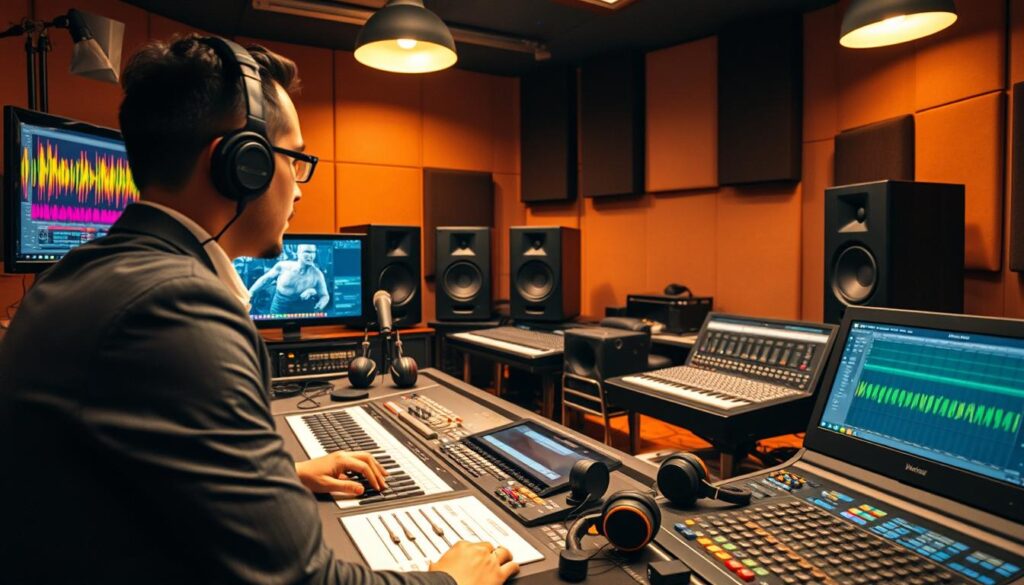
Next, the M&E Mix—Music and Effects. This is key for international sales. It’s a mix without dialogue, leaving only music and effects. Creating a strong M&E is an art in itself.
A weak M&E sounds empty. A good one tells the story without words. It’s like a silent film with sound.
Lastly, festival mixes. Not all places have the same sound system. You’ll need different mixes for different venues. It’s like packing for different climates.
The technical details are important. Sample rates, bit depths, and channel mappings ensure your sound is presented right. Get this wrong, and your sound might not be what you intended.
Here’s some advice: think about deliverables during the creative process, not after. Record extra passes and note your settings. This saves you from the hassle of redoing mixes later. It’s the last step to get your sound to the audience, anywhere in the world.
Playlist: Scores and soundscapes for moody sports nights
We’ve looked into the Foley toolkit and explored the sounds of fictional locker rooms. But what happens when the lights dim? It’s not about loud, upbeat music. The real magic happens in the quiet.
This is your essential listening list. It’s a collection of sounds for the moments between fights. Begin with Jonny Greenwood’s minimalist scores. Then, explore the melancholy of certain guitar pieces that echo the dawn.
For electronic sounds, look for tracks that echo the hum of a late-night gym. Remember the iconic opening of Raging Bull, the isolated pool scene in Rocketman, and the intense sequence in Rush.
This playlist isn’t about the game itself. It’s about the human stories set against the backdrop of sports. Each piece teaches us about sound and silence. Every sound tells a part of the story.
Play it during your next moody sports night. Listen carefully. Then, create something that feels as real as it sounds.