Classic film noir created a strong storytelling style. It delved into themes like fatalism, moral gray areas, and the fear of existence.
These stories featured flawed heroes. Movies like Crashout and The Burglar told tales of prison breaks and daring heists.
Now, the same themes play out in sports movies. The dark side has moved from city alleys to basketball courts and wrestling mats.
This shift has given rise to a new genre. Experts call it neo‑noir sports cinema.
This genre brings noir’s gritty realism to sports. It looks into the driven, sometimes destructive nature of athletes.
The connection to classic noir is clear. The fatalism seen in I Walk Alone mirrors today’s sports stories.
Why the genre persists in an era of sports optimism branding
Noir themes in modern sports movies challenge the usual happy stories. Sports media loves to tell tales of victory and personal growth. But neo-noir films offer a different view.
These movies act as a shadow narrative. They reveal the dark side of sports, like athlete exploitation and corruption. They show the emptiness after big wins. This shows there’s a need for more complex stories.
This view comes from noir’s core ideas. Classic noir talks about inevitable failure, like the “cruel hand of fate.” In sports, it’s about the body’s decline, betrayal, and the mental strain of competition. Noir also breaks down myths and celebrity, fitting for athletes under constant scrutiny.
These films use a gritty style, similar to B-movies. They focus on characters and unvarnished realism because of their limited budgets. This style contrasts with the polished sports ads. It shows a raw, honest side of sports that feels real.
Neo-noir sports movies keep going because they tell the truth that branding can’t. They show the body’s fragility, the harm of pressure, and the loneliness at the top. In a world full of positive messages, these films offer a needed counterpoint. They challenge the myths of the sports world, keeping their audience engaged.
Case notes: The Wrestler (labor and body), Foxcatcher (class control), Warrior (family debt and cage)
Cinematic neo-noir shows how athletes are trapped by physical, social, and family forces. This is like a classic noir story where heroes are destroyed by old rules or new systems. These films are perfect examples.
The Wrestler focuses on the body as a source of betrayal. Randy “The Ram” Robinson’s body fails him. His work is his life, and his failing body turns against him. This is like the doomed heroes in old crime stories.
The film sees sports as a desperate, self-destructive job. The ring is a small space where past glories meet present failures. Randy’s body’s betrayal is his main problem, leaving him with no future.
Foxcatcher looks at the dark side of wealth and class control. John du Pont, a wealthy man, controls wrestler Mark Schultz. This corrupts the usual coach-athlete relationship into a toxic power play.
The estate is like a golden cage. Du Pont controls Mark through money and broken self-esteem. This leads to violence, showing how bad influence and power can destroy lives. The system is the real enemy.
Warrior uses the noir idea of family debt. Brothers Brendan and Tommy Conlon are stuck because of their dad’s failure and money problems. The MMA cage is a real fight and a symbol of their situation.
Each brother tries to break free from their past. The tournament is a violent chance to solve their money troubles. Their family ties are both a source of duty and conflict, making it hard to find a way out.
The Wrestler, Foxcatcher, and Warrior show how classic noir traps work today. They turn psychological damage and outdated systems into sports stories. The body, class, and family are like prisons that can’t be escaped.
Visual/audio updates: LED scoreboards, trap/synth scores, phone screens as prop‑plots
In today’s sports noir, technology has changed everything. Gone are the smoky rooms and dark alleys. Now, we see digital interfaces everywhere. This change brings a new kind of anxiety, one fueled by data and instant feedback.
The classic visual language of noir is no longer the norm. High-contrast shadows have been replaced by the cold glow of LED scoreboards and casino signs. This new light is harsh and leaves no room for doubt, only the harsh reality of numbers and odds.
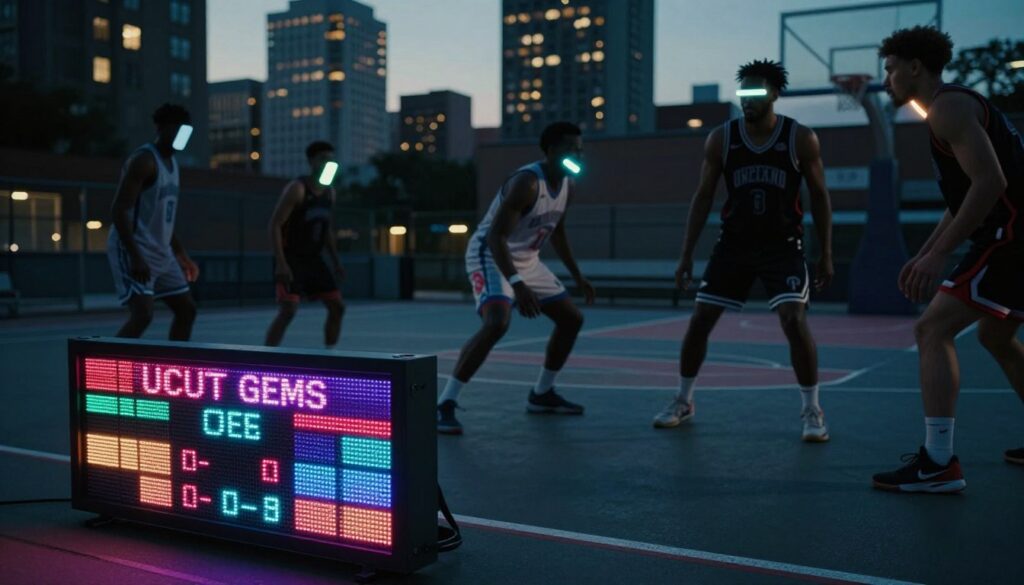
This change marks a new kind of style. Just as old films used bold visuals to set the mood, today’s sports noir uses hyper-real digital scenes. The arena or trading floor is now a cage of light, trapping the hero in their choices.
The soundscape has also evolved. The smoky jazz of the past is now replaced by electronic beats. Trap beats and synth-driven soundtracks amplify tension and mania. They capture the racing heart and fractured focus of a gambler on the edge.
The score for Uncut Gems is a perfect example. Its intense, abrasive synth compositions are more than background music. They show the hero’s mental state. The sound design creates a sensory overload, pulling the viewer into the chaos.
Smartphones have become a key element in modern stories. The mysterious phone call or letter is now a stream of digital alerts. Betting apps, bank notifications, and social media feeds add constant pressure to the story.
In films like Uncut Gems, the phone is not just a tool. It’s a source of paranoia and urgency. Every buzz or flash could mean financial disaster or a chance at salvation. This device makes the hero’s internal conflict visible and terrifying.
The table below contrasts the classic and modern tools of the sports noir genre.
| Aspect | Classic Sports Noir (Mid-20th Century) | Modern Sports Noir (21st Century) | Primary Narrative Function |
|---|---|---|---|
| Primary Light Source | Chiaroscuro (high-contrast shadows) | LED/Neon (clinical, data-driven glow) | Classic: Hides moral ambiguity. Modern: Exposes cold reality. |
| Dominant Soundtrack | Jazz, Blues | Trap, Synth, Electronic | Classic: Sets melancholic mood. Modern: Induces manic tension. |
| Key Prop-Plot Device | Anonymous Phone Call, Mysterious Letter | Smartphone Screen (Apps, Notifications) | Both: Deliver critical, anxiety-inducing information. |
| Setting Atmosphere | Smoky Bars, Rain-Slicked Streets | Sterile Casinos, High-Tech Arenas, Trading Floors | Classic: Ominous and secretive. Modern: Anxious and transactional. |
| Pacing & Rhythm | Deliberate, Moody | Frenetic, Hyper-kinetic | Reflects the protagonist’s psychological state and era’s tempo. |
These updates are not just about looks. They’re essential changes. They bring the core fears of noir—fate, desperation, and moral compromise—into the digital age. The tools have changed, but the game remains the same.
Industry backdrop: streaming rights, NIL, sportsbook ads—new pressures for stories
The film industry today faces challenges similar to those of classic B movies. Economic forces now shape stories as much as any script. Streaming rights, athlete monetization, and gambling ads are new pressures.
Streaming platforms want specific content for their audiences. This opens a niche for sports neo-noir. Mid-budget, genre-driven films find homes where big studios might not.
College sports’ Name, Image, and Likeness policies add new noir themes. Young athletes’ sudden wealth brings classic dilemmas. Corruption and agent manipulation become modern plot drivers, replacing old shadowy financiers.
Sportsbook ads are everywhere, normalizing the gambling underworld. This is a staple noir setting. It brings risk and chance into the mainstream, fueling stories of desperation and ambition.
B movies once operated in a double-bill structure. They had limited budgets and tight schedules. This scarcity led to remarkable creativity.
Despite these challenges, filmmakers found innovative ways to tell stories. The current landscape of mid-budget filmmaking mirrors this dynamic of pressure breeding invention.
The table below contrasts the historical realities of B movies with the modern industry’s analogous pressures.
| Aspect | Historical B-Movie Reality | Modern Industry Parallel |
|---|---|---|
| Primary Constraint | Extremely low budget, part of a double-bill. | Mid-budget range, reliant on streaming pre-sales or niche appeal. |
| Distribution Model | Studio-controlled theatrical release as a supporting feature. | Algorithm-driven placement on streaming platforms targeting specific viewer segments. |
| Creative Driver | Necessity: innovating due to lack of resources. | Market Demand: creating content for predefined audience genres. |
| Thematic Inspiration | Pulp stories, crime, monsters—genres that worked on a shoestring. | Real-world pressures like NIL deals and sports gambling, ready-made drama. |
| Economic Role | Fill programming slots, train new talent, minimize financial risk for studios. | Fill content libraries for streamers, satisfy genre subscribers, test new voices. |
These forces shape the production climate for films about sports’ darker sides. The hustle to make such stories reflects a broader economic shift. Content is now shaped by digital rights and new revenue streams as much as by artistic vision.
This backdrop makes stories about corruption, pressure, and sacrifice more relevant. They are no longer just period pieces but commentaries on the present. The genre persists because the real-world tensions fueling it have evolved, not vanished.
Classroom prompt: Write a scene that uses a smartphone as the “femme fatale” mechanic
The classic femme fatale is a seductive figure who unknowingly causes harm. In movies like The Locket, she changes lives and leads men to ruin. Her allure and hidden dangers are key to the genre.
In today’s world, the neo-noir genre uses modern objects as femme fatales. The smartphone is a perfect example. It’s always with us, gives us validation, and leads us to hidden dangers.

This prompt asks you to write a scene where a smartphone is the femme fatale. It should be the cause of the athlete’s downfall, whether in sports or personal life.
The smartphone’s features are the tools of seduction and corruption today. Think about how these digital elements mirror the classic femme fatale’s ways:
- The constant pull of social media and the need for public approval.
- The tempting calls of gambling apps or sports betting ads.
- A manipulative chat that isolates the athlete from their loved ones.
- The screen’s glow as the only light in a dark room, luring them away from training or rest.
The aim is to show how the smartphone can be as destructive as the classic femme fatale. It should be a dynamic, charming, and ultimately harmful force. This task shows how neo-noir updates old noir fears for our digital world.
Watchlist + discussion
To explore neo-noir themes in modern sports stories, a curated viewing list is provided. This list is a resource for comparative analysis and further study.
The “Contemporary Echoes” selection includes films that match the article’s thesis. It features films like *Uncut Gems* from A24, *Hustle* from Netflix, and *Warrior*. These films update noir’s core concerns for today’s sports world.
A second list, “Thematic Ancestors & Offshoots,” provides context for these modern works. It includes classic film noirs like *Crashout* and *I Walk Alone*. It also features B noirs such as *The Stranger on the Third Floor*. For a look at noir’s spirit beyond sports, it mentions films like *The American Astronaut*, *Hedwig & The Angry Inch*, and *The Saddest Music in the World*.
Discussion can explore parallels across decades. Compare the portrayal of desperation in a 1940s noir with a 2020s sports drama. Analyze how system failure is depicted in different eras. Look at the shifts in stylistic innovation from shadowy cinematography to digital aesthetics.
This watchlist helps us understand how noir’s themes of struggle and style continue to resonate.