A specific cinematic genre builds its world through sound. It mixes athletic intensity with dark, psychological stories. Its sound is key to its world.
The sound of this genre has changed a lot. Old scores used jazz’s chaotic structure. They set a mood of tension and surprise.
Now, scores use electronic sounds and hip-hop beats. This change shows cultural shifts. It also makes the genre feel grittier and more complex.
Sound design creates this tense atmosphere. It makes the physical and emotional stakes of competition clear. Every sound has a purpose in the story.
Real-world artists like Trombonist and composer Michael Pierre Vlatkovich show how this works. His work, like John Cassavetes’s “The Tempest”, is a great example.
Vlatkovich mixes formal composition with improvisation. This approach is important in debates about authenticity in film scoring. It links theory to real-world practice.
This analysis will look at how sound reflects the arena’s brutality. It will explore how sound builds a genre.
Classic sounds: small‑combo jazz, noir brass stabs, silence before the bell
Early sports noir uses small-combo jazz, sharp brass stabs, and silence. These elements create a mood of intimacy, tension, and high stakes. They connect to the film noir tradition.
The small jazz combo is key to this era. It has a rhythm section and a few horns, creating a smoky atmosphere. This sound suggests private ambition and clandestine deals.
This sound requires disciplined musicianship. Trombonist Michael Vlatkovich cites Oliver Nelson’s influence. His experience in big bands informs the precise style needed for these jazz scores. The music is not freeform but carefully composed to highlight narrative tension.
Dissonant brass stabs add drama. A sudden blast from a trumpet or trombone marks a plot revelation or a physical impact. This technique is a direct import from classic detective and crime films.
Strategic silence is very powerful. Directors often drop all sound before a fight bell rings or a critical play begins. This vacuum focuses audience attention on the visual. It amplifies the psychological pressure on the character. The return of sound then feels like a violent release.
Together, these techniques define a classic sonic language. The small-combo sets the scene. Brass stabs highlight conflict. Silence manufactures anticipation. This palette established a blueprint for depicting athletic struggle as a gritty, personal drama. Modern jazz scores for film reference this foundational vocabulary.
| Sound Technique | Primary Function | Example Context | Emotional Effect |
|---|---|---|---|
| Small-Combo Jazz | Atmospheric scene-setting | Training montage in a dim gym; strategy discussion in a bar | Intimacy, nostalgia, lurking tension |
| Noir Brass Stabs | Dramatic punctuation | The moment a punch lands; a sudden betrayal is revealed | Shock, violence, decisive turning point |
| Strategic Silence | Anticipation & focus | Seconds before a boxing round starts; a quarterback surveying the defense | Heightened anxiety, concentrated attention |
The effectiveness of these classic jazz scores lies in their restraint and specificity. Each sound has a clear dramatic job. They work in concert to build a cohesive, gritty world. This approach contrasts sharply with the denser, more electronic palettes of contemporary sports films.
Modern palettes: ambient drones, synth pulses, hip‑hop/trap; licensing vs score costs
Choosing between needle drops and original scores is a big decision. It shapes the film’s sound and its budget.
Today’s sports noir films use electronic sounds to create tension. Ambient drones set a tense mood. They hint at unseen threats and future dangers.
Synth pulses add to the excitement of competition. Their beats, fast or slow, match the characters’ heart rates. This sound brings the story to life in today’s cities.
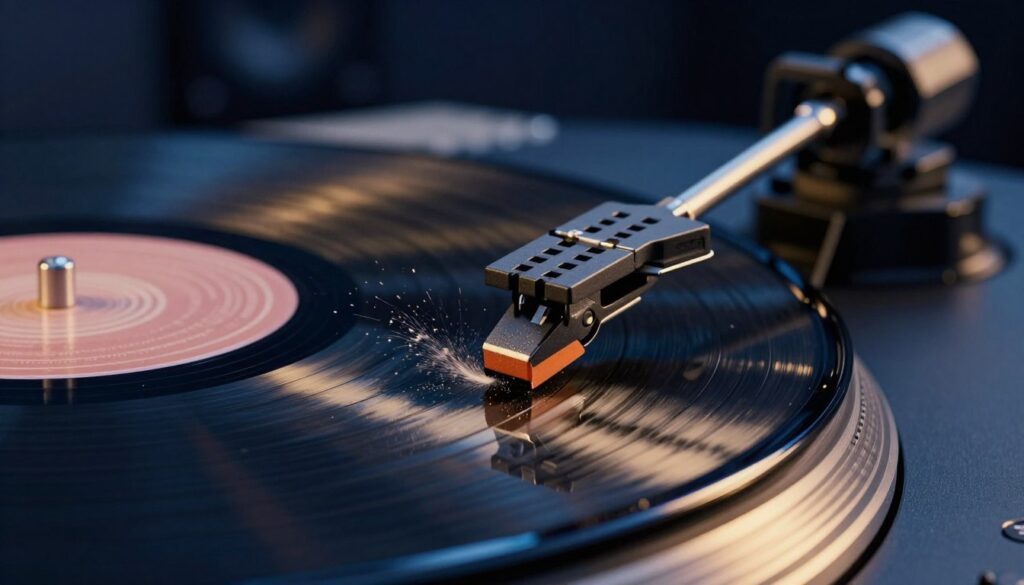
Hip-hop and trap beats give the story a strong beat. They connect the story to today’s streets and dreams. The music’s speed matches the action’s intensity.
Using needle drops brings instant recognition. It grounds the scene in time and place. But, it also brings legal and financial challenges.
Getting rights for these tracks is complex. You need to clear master and publishing rights. You also need to make sure the music is correctly tagged for platforms to avoid legal issues.
Original scores are made just for the film. They give the composer full control and a unified theme. The cost includes a fee for the composer and the cost of recording and arranging the music.
The cost of using a popular song versus an original score is a big factor. A hit song can cost a lot, while an original score’s cost is more set. But, you have to pay for it upfront.
The creative choices are different too. A needle drop can quickly connect with the audience. An original score can grow with the story, creating unique themes.
To learn more about music in films, check out these top lists in a genre. The choice between these two paths greatly affects the film’s impact.
Today, the music industry uses digital tools to manage music. Proper tagging is key to correctly identify music in global networks. This is true for both licensed tracks and original scores.
In conclusion, the modern sound palette adds depth to sports noir films. The choice between needle drops and original scores is both artistic and budget-driven. Each choice leaves a unique mark on the film’s sound.
Editing: rhythmic cutting to breath and footwork; sonic POV during concussions or chokes
Rhythmic editing patterns are choreographed to an athlete’s internal cadence. This technical craft transforms physical struggle into a precise audio-visual language. The editing rhythms in fight scenes do not follow a random beat.
Editors synchronize visual cuts to physiological cues. A cut happens on a boxer’s sharp exhale. Another matches a basketball player’s pivot. This creates a subliminal bond between viewer and character. The process demands a common language between picture and sound editors. It mirrors the ensemble dynamic noted in boxing noir scores, where written and improvised elements must balance.
Sound design then adopts a brutally subjective point of view. During a concussion or a chokehold, the audience hears what the character hears. Ambient crowd noise muffles and distorts. A high-pitched ring, simulating tinnitus, pierces the mix. This sonic distortion visually represents disorientation and trauma.
The editorial strategy is meticulous. It strips away external sound to focus on internal chaos. The goal is visceral impact. This approach makes the viewer feel the blow, not just see it. It is a calculated departure from objective storytelling.
This combination of rhythmic cutting and subjective audio defines the modern sports noir sequence. It is a powerful tool for conveying physical and psychological strain. The edit itself becomes a participant in the fight.
Case studies: The Hustler’s quiet; Raging Bull’s opera; Uncut Gems’ synth anxiety
Looking at The Hustler, Raging Bull, and Uncut Gems shows us how sound tells stories. These films show different ways to use music and sound design to tell stories.
The Hustler uses a unique approach. It doesn’t have a traditional score. Instead, it focuses on sounds that happen in the scene, like the sound of pool balls and the crowd.
This choice makes the tension in the film feel more intense. Scenes are often very quiet, making every small sound stand out. This makes the audience feel like they’re right there with the characters.
Martin Scorsese’s Raging Bull is the opposite. It uses music in a big, dramatic way. The film’s sound design is like an opera, with music that matches Jake LaMotta’s story.
The sound of fights is also very real. Every punch sounds loud and intense. This makes the violence feel more real and emotional. The music adds to this feeling, sometimes being very sad and other times very loud.
Uncut Gems is a modern take on the sports noir genre. It has a constant, tense synth score by Daniel Lopatin. The music never stops, keeping the tension high.
The film also has a lot of background noise. This includes conversations, phone sounds, and casino noises. It’s all mixed together to create a feeling of chaos. This matches the main character’s mental state and the high-stakes world he’s in.
For example, the final bet scene is incredibly tense. The music builds up to a point where it’s almost unbearable. This shows how the film uses sound to create suspense and fear.
These examples show how important sound is in movies. It can make a character feel real and a story feel intense. Things like music catalogs help us understand these sounds better.
Classroom activity: Rescore a 30‑sec clip with two music styles; reflect on tone shift
Changing a scene’s music can show how powerful sound design is. This hands-on task turns theory into real learning. It follows the idea of seeing and changing concepts into new things.
To start, pick a short scene, two different music tracks, and some basic editing tools. The aim is to see how music changes what we see.
- Select a 30‑Second Clip. Pick a part from a sports movie. Good choices have lots of action, a key moment, or focus on a character.
- Choose Two Contrasting Music Styles. Pick music that’s very different. For example, old jazz and new trap, or calm drone and loud brass.
- Edit the First Track to Picture. Put the clip and the first music into editing software. Make sure the music beats match the action.
- Repeat with the Second Style. Turn off the first music. Then, sync the second music with the same clip.
- Export and Compare. Make two 30-second versions of the same clip, each with different music.
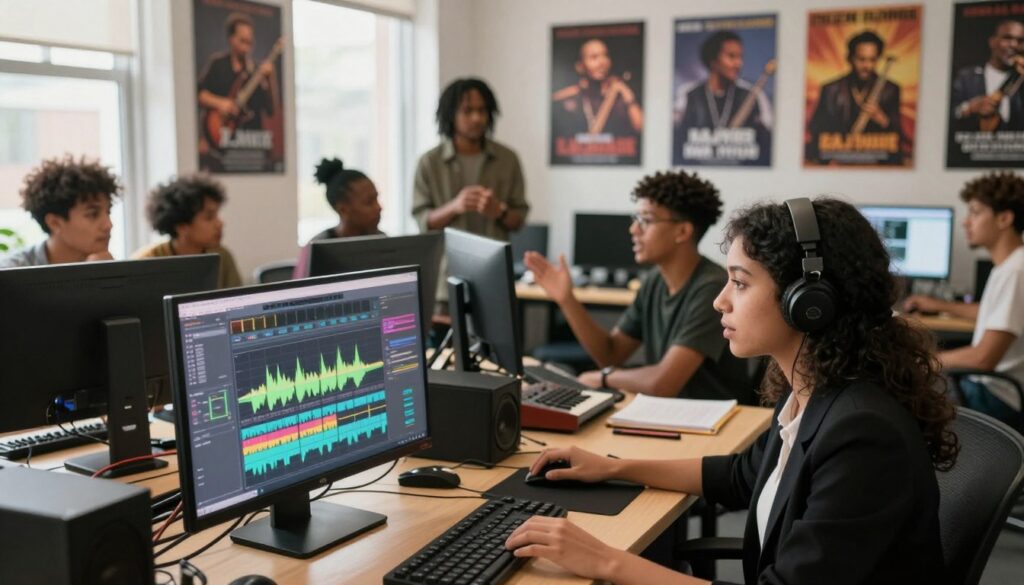
The main part of this task is careful editing. You need to match music beats with actions like punches or swings. This skill is key in sound design. It makes the music seem like it’s part of the scene.
After making both versions, it’s important to reflect. Watch each clip many times. Then, answer questions about the change.
How does the narrative tone change with different music? Does jazz make a boxer seem smart, while trap makes him seem desperate?
What feelings does each music bring? Does one make you feel tense, and the other sad?
How does the music change how we see the character?
| Aspect of Scene | Impact with Classic Jazz Score | Impact with Modern Trap Score |
|---|---|---|
| Narrative Pace | Feels deliberate, strategic; emphasizes anticipation. | Feels urgent, chaotic; emphasizes immediate reaction. |
| Character Perception | Portrays the athlete as skilled, traditional, and cerebral. | Portrays the athlete as gritty, instinctual, and street‑smart. |
| Emotional Tone | Evokes nostalgia, tension, or cool detachment. | Generates anxiety, aggression, or hyper‑modern energy. |
| Audience Alignment | Viewer may observe the action as a critic or connoisseur. | Viewer may feel immersed in the visceral, high‑stakes moment. |
This comparison shows music’s power. It’s not just background. It shapes the story. The same scene can tell two different stories.
This activity proves the article’s main points. It shows that sound design choices are like directing. Knowing editing rhythms lets creators control how we feel.
Glossary and playlist
Understanding audio terms is key to analyzing sports noir music editing. This glossary explains important techniques. A special playlist offers essential listening examples.
Needle Drop: Using a song in a scene for emotional or thematic effect.
Ambient Drone: A long, atmospheric sound that creates tension and sets the mood.
Rhythmic Cutting: Editing scenes to match the music’s tempo or beats.
Subjective POV Sound: Audio that shows what a character is feeling, like hearing muffled sounds during a concussion.
Listening to sports noir music editing is the best way to learn. A good playlist includes key works.
Jazz by Michael Vlatkovich shows the genre’s roots. Film scores from “The Hustler” and “Raging Bull” are classic examples. Modern tracks with synth and hip-hop show the genre’s growth.
Check out this ultimate throwback action sports playlist. It shows how music captures an era and activity. This is key to creating a real audio experience.
This guide is a useful tool for studying audio’s role in stories.