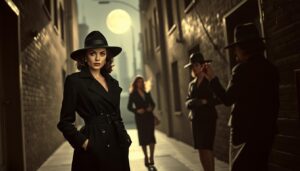
Superhero stories have always borrowed from earlier storytelling traditions. Mythology, pulp adventure, detective fiction, and science fiction all helped shape the modern comic book hero. Yet one of the most intriguing creative crossovers emerging today is the fusion of superhero mythology with the visual and thematic language of film noir.
Marvel’s upcoming Spider-Noir television series, starring Nicolas Cage, represents a bold step in that direction. Instead of presenting Spider-Man as a colorful, acrobatic hero swinging across modern skyscrapers, the series returns to the smoky, shadow-filled streets of 1930s New York — a world of corruption, gangsters, and moral ambiguity.
The result is more than a stylistic experiment. It is an exploration of how classic noir storytelling can reshape the very identity of a superhero narrative.
The Origins Of Spider-Man Noir
The Spider-Man Noir character first appeared in Marvel’s alternate-universe comic line during the late 2000s. Inspired by pulp detective stories and classic crime cinema, the character reimagined Peter Parker as a masked vigilante operating in the depths of the Great Depression.
Instead of laboratory accidents and high-tech villains, this world emphasizes organized crime, political corruption, and the harsh realities of urban survival. The costume itself reflects this shift — replacing bright colors with dark leather, trench coats, and aviator-style goggles.
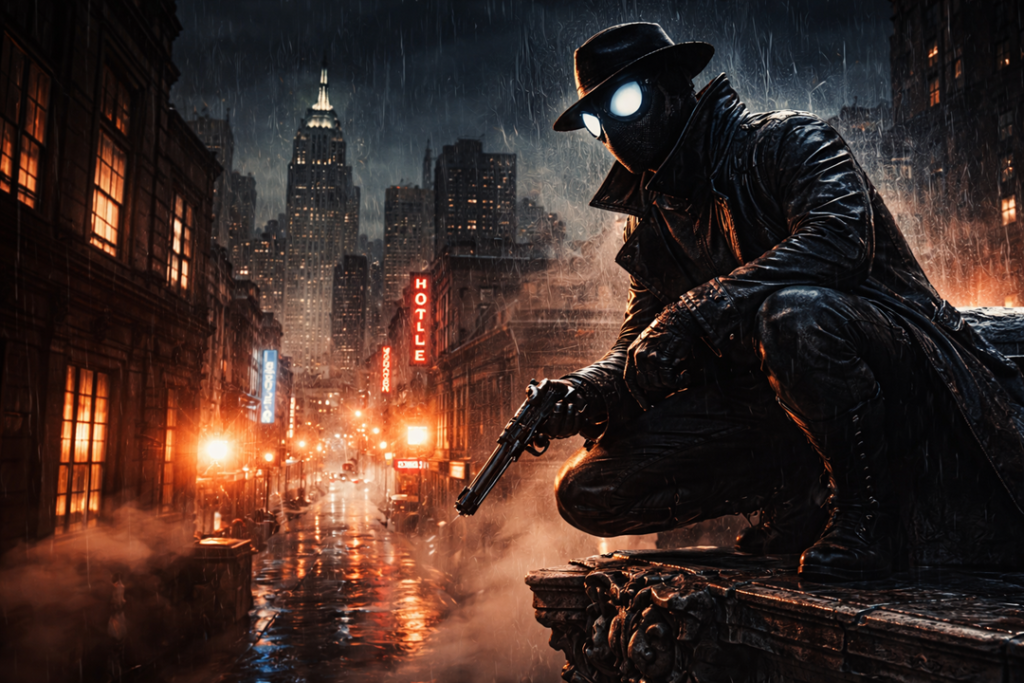
The character quickly gained recognition among fans who appreciated the darker tone and atmospheric storytelling. Spider-Man Noir also appeared memorably in the animated film Spider-Man: Into the Spider-Verse, where Nicolas Cage voiced the character with exaggerated hard-boiled narration.
That appearance helped introduce the noir version of Spider-Man to a much wider audience.
Why Noir And Superheroes Work Surprisingly Well Together
At first glance, superheroes and noir seem to belong to different storytelling traditions. Superheroes often represent hope, spectacle, and moral clarity. Noir, by contrast, thrives on pessimism, ambiguity, and corruption.
Yet the two genres share deeper narrative DNA.
Both feature masked identities, dangerous city environments, and protagonists navigating personal responsibility in morally complicated worlds. Noir simply reframes these elements with darker emotional stakes.
| Story Element | Traditional Narrative | Noir Interpretation |
|---|---|---|
| Hero identity | Symbol of justice and hope | Isolated vigilante |
| Urban setting | Stage for heroic spectacle | Corrupt and dangerous city |
| Conflict | Clear battle between good and evil | Moral ambiguity and personal compromise |
| Villains | Elaborate masterminds | Crime bosses and political corruption |
By merging these frameworks, Spider-Noir introduces a superhero who must operate within the morally gray spaces typical of noir storytelling.
Visual Style: Translating Film Noir To The Superhero Screen
One of the most exciting aspects of the Spider-Noir project is its visual direction. Early production details suggest the show will embrace strong noir aesthetics — including high-contrast lighting, shadow-heavy compositions, and period architecture.
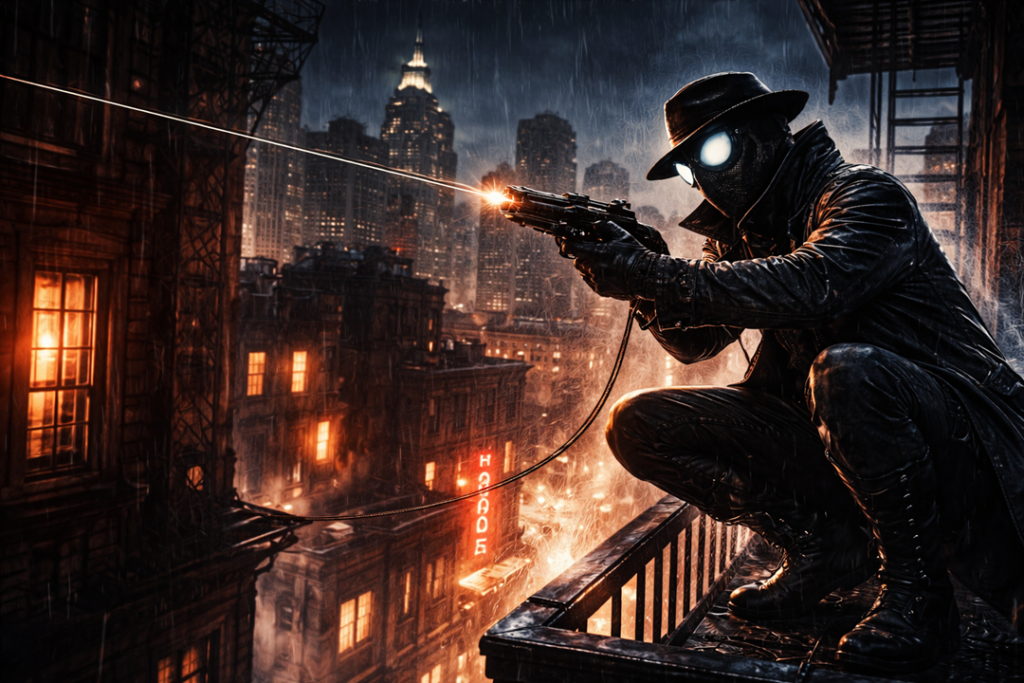
These visual strategies draw directly from classic noir cinematography, where lighting and shadow carry narrative meaning.
Dark alleyways, flickering streetlamps, and rain-soaked pavements are more than visual decoration. They reinforce the sense that the city itself is complicit in the crimes unfolding within it.
Our exploration of architecture in crime movies shows how urban spaces often function as silent accomplices in noir storytelling. In Spider-Noir, those same visual principles help frame the superhero as a lone figure navigating a hostile environment.
Instead of bright skyline swings, viewers may see a hero emerging from darkness beneath a streetlamp.
A 1930s New York Reimagined
The setting of Spider-Noir plays a crucial role in its narrative identity. The story unfolds in a version of New York shaped by the economic and social pressures of the Great Depression.
This historical context allows the series to explore themes rarely addressed in traditional superhero films:
- Organized crime syndicates controlling neighborhoods
- Political corruption influencing law enforcement
- Economic inequality shaping the daily lives of citizens
Rather than presenting villains as larger-than-life supercriminals, the noir framework emphasizes systemic corruption and moral compromise.
The city becomes both the battleground and the antagonist.
Nicolas Cage And The Return Of Hard-Boiled Narration
Casting Nicolas Cage as the lead character further reinforces the project’s noir identity. His earlier performance in Spider-Man: Into the Spider-Verse leaned heavily into classic detective narration — the cynical internal monologue that defines many noir protagonists.
That style of narration often transforms the city into a character itself, as the detective describes its shadows, dangers, and secrets.
Hard-boiled narration historically shaped the tone of many noir films and novels. When applied to a superhero story, it creates a fascinating contrast between extraordinary abilities and deeply human doubt.
Instead of triumphant declarations, audiences may hear reflective lines about loneliness, responsibility, and the cost of justice.
Expanding The Multiverse Through Genre
Marvel’s multiverse concept allows storytellers to experiment with genre conventions while keeping recognizable characters at the center. Spider-Noir represents one of the most compelling examples of this flexibility.
By shifting the narrative into a noir framework, the familiar Spider-Man mythology becomes something entirely different.
The character still carries the burden of responsibility, but the context surrounding that responsibility is darker and more unpredictable.
The approach mirrors the way visual media often borrow storytelling techniques across genres. Scholars examining the evolution of superhero narratives frequently point to how comics and film adapt stylistic influences from earlier cinematic traditions. The British Film Institute’s overview of film noir’s defining visual characteristics highlights how lighting, shadow, and urban environments create psychological tension within crime narratives.
Applying those techniques to superhero storytelling opens new creative possibilities.
What Spider-Noir May Signal For Future Superhero Stories
If Spider-Noir succeeds, it may encourage studios to explore additional genre-driven superhero interpretations. Rather than repeating familiar formulas, creators could experiment with blending superhero mythology with other storytelling traditions.
Potential directions might include:
- Western-inspired vigilante stories
- Psychological thrillers built around masked identities
- Political conspiracies within superhero worlds
Noir is particularly well suited for this experimentation because its themes — corruption, identity, and moral compromise — align naturally with the dilemmas faced by many superheroes.
In Spider-Noir, those dilemmas move from bright skyscrapers into the shadows.
When Superheroes Step Into The Shadows
For decades, Spider-Man has symbolized youthful heroism and colorful adventure. The Spider-Noir series invites audiences to see a different version of that myth — one shaped by rain, darkness, and uncertainty.
In this world, the hero does not swing triumphantly across a sunlit skyline.
He walks through foggy streets where danger hides in every doorway.
Yet the core idea remains the same: responsibility demands action, even when the city itself seems lost to corruption.
That tension — between hope and darkness — is precisely what makes the fusion of superhero mythology and classic noir so compelling.