Archival and Hybrid Style
Archival and hybrid styles are two popular trends in wedding photography. These styles combine traditional and modern elements to create unique and timeless images.
Archival Style
The archival style is characterized by its classic and timeless aesthetic. It draws inspiration from traditional black and white photography, creating a nostalgic and romantic atmosphere. This style emphasizes the beauty of the moment, capturing the essence of the day with a focus on the details.
Archival style wedding photos often feature soft lighting, muted colors, and a focus on the subject’s emotions. The result is a collection of images that evoke a sense of nostalgia and romance, making them perfect for preserving the memories of your special day.
Hybrid Style
The hybrid style, on the other hand, combines the best of both worlds by blending traditional and modern elements. It offers a unique and versatile approach to wedding photography, allowing couples to capture the essence of their day in a way that feels both timeless and contemporary.
Hybrid style wedding photos often feature a mix of black and white and color images, creating a visually appealing and dynamic collection. This style emphasizes the beauty of the moment, capturing the emotions and details of the day with a modern twist.
Whether you prefer the classic elegance of archival style or the versatility of hybrid style, these trends offer a range of options to suit your preferences and create a truly unique and memorable wedding album.
Archival style wedding photos evoke a sense of nostalgia and romance, making them perfect for preserving the memories of your special day.
Hybrid style wedding photos offer a unique and versatile approach to wedding photography, blending traditional and modern elements to create a visually appealing and dynamic collection.
Sourcing: Rights, formats, and restoration basics
Finding archival footage is like digging through history, full of legal traps and technical puzzles. It’s not like shopping online. You’re searching through old archives, dealing with rights holders who might not know what they have. And you hope the tape isn’t too damaged.
This process of archival integration starts with a big question: what is the original? Archivists follow strict rules to find the “original release title in the country of origin.” A film can be mislabeled by someone who means well. It’s important to know if your 1973 clip is a major edit or just a small change.
The search takes you to many places. You’ll visit national film archives, university collections, and even private collectors. Each place has its own rules and prices. You need to understand both the cultural and commercial value of the footage.
Then, you face the legal challenges. Getting the right permissions for broadcast, theatrical, digital, and music rights is tough. Getting signatures from old networks or athletes’ estates is just the beginning.
After clearing the rights, you deal with the physical issues. You won’t get a perfect digital file. Instead, you might get a damaged 16mm print or a Betacam tape with problems.
Knowing the source format is key. It tells a story about when and how the footage was made. This adds depth to your film.
Restoration is both science and art. It involves stabilizing the image and fixing color issues. The goal is to keep the footage true to its original form while making it work with your digital content. This often requires advanced digital preservation techniques.
Think of it as giving old footage a second chance. You’re making it live again in your story. The imperfections are what make it real.
So, sourcing is the hard work behind making archival footage work. Without it, your film might not happen or could get into trouble. Finding the right footage is like unlocking a treasure chest. But it takes the right keys and patience.
FAQ
Q: What is a match grain?
A: A match grain refers to the process of matching the grain of wood in flooring to create a seamless look. It involves carefully selecting and arranging wood planks to ensure that the grain patterns align perfectly, creating a cohesive and visually appealing floor.
Q: Why is matching grain important in flooring?
A: Matching grain is important in flooring because it creates a cohesive and visually appealing look. It helps to create a seamless transition between different wood planks, resulting in a more polished and refined appearance. It also enhances the overall aesthetic of the space, making it more inviting and elegant.
Q: How do I choose the right wood planks for a match grain floor?
A: When choosing wood planks for a match grain floor, it’s important to consider factors such as the type of wood, color, and grain pattern. You should select planks that have similar characteristics and grain patterns to create a cohesive look. It’s also important to consider the overall design and style of your space to ensure that the wood planks complement the existing elements.
Q: What are the benefits of a match grain floor?
A: A match grain floor offers several benefits. It creates a cohesive and visually appealing look, enhances the overall aesthetic of the space, and adds value to your home. It also provides a seamless transition between different wood planks, resulting in a more polished and refined appearance.
Q: How do I install a match grain floor?
A: Installing a match grain floor requires careful planning and attention to detail. It’s recommended to hire a professional flooring contractor who has experience with match grain installations. They will be able to ensure that the wood planks are properly aligned and securely fastened, resulting in a seamless and polished finish.
Q: What are the different types of match grain flooring?
A: There are several types of match grain flooring, including hardwood, engineered wood, and laminate. Each type has its own unique characteristics and benefits. Hardwood flooring offers a natural and timeless look, while engineered wood provides durability and versatility. Laminate flooring is a more affordable option that mimics the look of real wood.
Q: How do I maintain a match grain floor?
A: To maintain a match grain floor, it’s important to regularly clean and dust the surface. Avoid using harsh chemicals or abrasive cleaners that can damage the wood. It’s also recommended to use felt pads on the legs of furniture to prevent scratching and scuffing. Regular inspections and prompt repairs can help to ensure the longevity and beauty of your match grain floor.
Q: What are the advantages of a match grain floor?
A: A match grain floor offers several advantages. It creates a cohesive and visually appealing look, enhances the overall aesthetic of the space, and adds value to your home. It also provides a seamless transition between different wood planks, resulting in a more polished and refined appearance.
Q: What are the disadvantages of a match grain floor?
A: While a match grain floor offers many benefits, there are also some disadvantages to consider. It can be more expensive than other flooring options, and it requires careful planning and installation to achieve the desired seamless look. It also requires regular maintenance to keep it looking its best.
Q: What are the alternatives to a match grain floor?
A: If a match grain floor is not suitable for your needs, there are several alternatives to consider. These include different types of flooring such as hardwood, engineered wood, and laminate. Each type has its own unique characteristics and benefits, and can be used to create a cohesive and visually appealing look in your space.
Aspect Ratio Play: 1.33 inside 2.39 for memory layers
Imagine if the shape of your screen could take you back in time. Not with loud noises or bright lights, but with something simple: the black bars around your image.
This isn’t just about technical details. The choice of aspect ratios is a powerful tool in storytelling. By placing old 4:3 footage in a modern 2.39:1 frame, you’re not just showing the past. You’re exhibiting it.
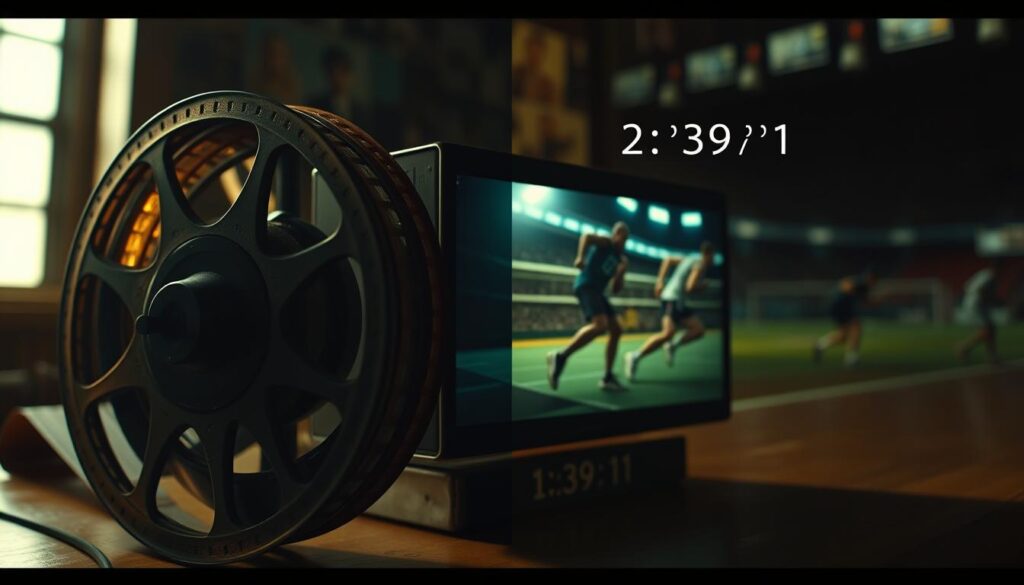
Think of it like a visual Russian doll. The wide screen is like the present, full of shadows and wet streets. Inside it, the 1.33:1 footage is like a delicate treasure, preserved in a glass case.
This choice does a lot of work. It sets up a contrast between the present and the past. The wide screen makes us feel like we’re right there in the story. The 4:3 footage feels like we’re watching something from another time, like a broadcast or an old file.
This method turns the frame into a museum display. It’s not just showing history; it’s curating it. That old football highlight from 1978 becomes a piece of evidence in your story.
Playing with aspect ratios talks directly to how we view things. We see widescreen as immersive and cinematic. We see 4:3 as old and televisual. By mixing them, you highlight the difference between what we experience now and what we remember from the past.
This is a silent debate about history. The past isn’t just a seamless flashback. It’s a pieced-together picture we try to understand from today’s view. The black bars around the old footage aren’t empty. They’re the walls of a memory vault.
So, when you add old footage to your movie, don’t just stretch it. Keep it in its original shape, framed by the black bars of your modern screen. You’re not losing the image. You’re giving the past its right, haunting place.
Diegetic Media: The Art of Immersive Storytelling
Diegetic media is a powerful tool in the world of storytelling, creating an immersive experience for the audience. By incorporating elements that are part of the story itself, diegetic media enhances the narrative and engages viewers on a deeper level.
Diegetic media can take many forms, including sound effects, music, and even visual elements that are integral to the story. For example, a film might use diegetic sound to create a sense of realism, making the audience feel like they are part of the action unfolding on screen.
One of the key aspects of diegetic media is its ability to create a sense of immersion. By drawing the audience into the world of the story, diegetic media enhances the overall experience and makes it more engaging. Whether it’s through the use of sound effects, music, or visual elements, diegetic media helps to create a seamless and immersive experience for the viewer.
Diegetic media also allows for a more interactive and dynamic storytelling experience. By incorporating elements that are part of the story itself, diegetic media can create a sense of agency and participation from the audience. This can be seen in interactive media, such as video games, where diegetic media plays a key role in creating an immersive and engaging experience.
Overall, diegetic media is a powerful tool in the world of storytelling, allowing for immersive and engaging experiences. By incorporating elements that are part of the story itself, diegetic media enhances the narrative and creates a deeper connection between the audience and the story.
Examples of Diegetic Media in Storytelling
Diegetic media can be found in various forms of storytelling, including films, television shows, video games, and even live performances. Here are a few examples:
- Sound effects: In a film, sound effects such as footsteps, rustling, or even the sound of a door opening can be diegetic media. These sounds are part of the story and help to create a realistic atmosphere.
- Music: Music can also be diegetic media. For example, in a film, the music playing during a scene can be part of the story itself, such as a character playing a guitar or a band performing in a bar.
- Visual elements: Visual elements such as props, costumes, and even the set design can be diegetic media. These elements help to create a cohesive and immersive experience for the audience.
By incorporating diegetic media into storytelling, creators can enhance the overall experience and create a more immersive and engaging experience for the audience.
Archival and Hybrid Style
Archival and hybrid styles are two popular trends in wedding photography. These styles combine traditional and modern elements to create unique and timeless images.
Archival Style
The archival style is characterized by its classic and timeless aesthetic. It draws inspiration from traditional black and white photography, creating a nostalgic and romantic atmosphere. This style emphasizes the beauty of the moment, capturing the essence of the day with a focus on the details.
Archival style wedding photos often feature soft lighting, muted colors, and a focus on the subject’s emotions. The result is a collection of images that evoke a sense of nostalgia and romance, making them perfect for preserving the memories of your special day.
Hybrid Style
The hybrid style, on the other hand, combines the best of both worlds by blending traditional and modern elements. It offers a unique and versatile approach to wedding photography, allowing couples to capture the essence of their day in a way that feels both timeless and contemporary.
Hybrid style wedding photos often feature a mix of black and white and color images, creating a visually appealing and dynamic collection. This style emphasizes the beauty of the moment, capturing the emotions and details of the day with a modern twist.
Whether you prefer the classic elegance of archival style or the versatility of hybrid style, these trends offer a range of options to suit your preferences and create a truly unique and memorable wedding album.
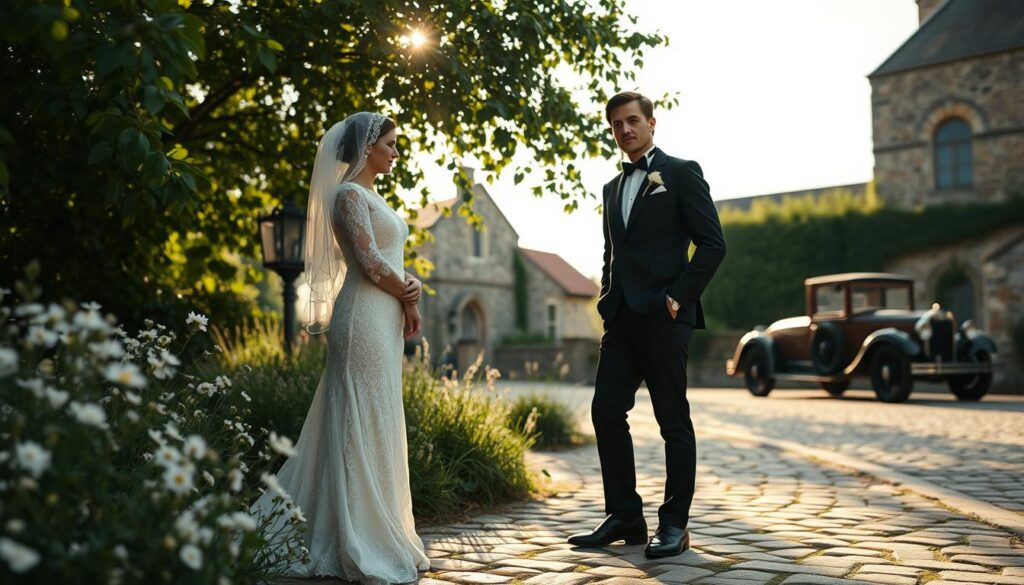
Archival style wedding photos evoke a sense of nostalgia and romance, making them perfect for preserving the memories of your special day.
Hybrid style wedding photos offer a unique and versatile approach to wedding photography, blending traditional and modern elements to create a visually appealing and dynamic collection.
FAQ
Q: What is the role of a digital asset manager in the financial industry?
A: A digital asset manager plays a critical role in the financial industry by overseeing the management of digital assets. They ensure that these assets are properly stored, backed up, and protected from unauthorized access. This is essential for maintaining the security and integrity of digital assets.
Q: How does a digital asset manager contribute to the success of a financial institution?
A: A digital asset manager contributes to the success of a financial institution by ensuring the security and integrity of digital assets. They implement effective security measures, manage access controls, and monitor for any suspicious activity. This helps to protect the institution from cyber threats and maintain the trust of customers.
Q: What are the key responsibilities of a digital asset manager?
A: The key responsibilities of a digital asset manager include managing digital assets, implementing security measures, and monitoring for suspicious activity. They also ensure compliance with regulatory requirements and provide training to employees on digital asset management best practices.
Q: What are the benefits of having a digital asset manager?
A: Having a digital asset manager offers several benefits. They provide expertise in managing digital assets, implement effective security measures, and ensure compliance with regulatory requirements. This helps to protect the institution from cyber threats and maintain the trust of customers.
Q: How can a digital asset manager help with digital transformation?
A: A digital asset manager can play a key role in digital transformation by ensuring the security and integrity of digital assets. They implement effective security measures, manage access controls, and monitor for any suspicious activity. This helps to protect the institution from cyber threats and maintain the trust of customers.
Q: What are the challenges faced by digital asset managers?
A: Digital asset managers face several challenges, including managing the increasing volume of digital assets, implementing effective security measures, and ensuring compliance with regulatory requirements. They must stay up-to-date with the latest security threats and best practices to effectively manage digital assets.
Q: How can a digital asset manager contribute to the success of a financial institution?
A: A digital asset manager can contribute to the success of a financial institution by ensuring the security and integrity of digital assets. They implement effective security measures, manage access controls, and monitor for any suspicious activity. This helps to protect the institution from cyber threats and maintain the trust of customers.
Q: What is the future of digital asset management in the financial industry?
A: The future of digital asset management in the financial industry is promising. As technology continues to evolve, digital asset managers will play an increasingly important role in protecting digital assets and ensuring compliance with regulatory requirements. They will need to stay up-to-date with the latest security threats and best practices to effectively manage digital assets.
FAQ
Q: What is a match grain?
A: A match grain refers to the process of matching the grain of wood in flooring to create a seamless look. It involves carefully selecting and arranging wood planks to ensure that the grain patterns align perfectly, creating a cohesive and visually appealing floor.
Q: What are the benefits of a match grain?
A: A match grain offers several benefits, including creating a seamless look, adding value to your home, and providing a timeless and elegant appearance. It allows you to achieve a cohesive and visually appealing floor that enhances the overall aesthetic of your space.
Q: How do I choose the right wood flooring for my match grain project?
A: When selecting wood flooring for your match grain project, it’s important to consider factors such as the type of wood, color, and grain pattern. You should choose wood planks that complement each other and create a harmonious look. It’s also important to consider the durability and maintenance requirements of the wood flooring.
Q: What are the different types of wood flooring available for match grain projects?
A: There are several types of wood flooring available for match grain projects, including solid hardwood, engineered wood, and laminate. Each type has its own unique characteristics and benefits. Solid hardwood is known for its durability and timeless beauty, while engineered wood offers a more affordable option with similar aesthetic appeal. Laminate is a cost-effective option that mimics the look of real wood.
Q: How do I install wood flooring for a match grain look?
A: Installing wood flooring for a match grain look requires careful planning and attention to detail. It’s recommended to hire a professional installer who has experience with match grain installations. They will ensure that the wood planks are properly aligned and the grain patterns are seamlessly matched.
Q: What are some design tips for achieving a match grain look?
A: To achieve a match grain look, it’s important to consider the overall design of your space. You can use different wood species and stains to create a unique and personalized look. It’s also important to consider the lighting in your space, as it can affect the appearance of the wood flooring.
Q: How do I maintain and care for wood flooring to preserve the match grain look?
A: To maintain and care for wood flooring and preserve the match grain look, it’s important to follow regular cleaning and maintenance routines. This includes sweeping or vacuuming the floor regularly, using a damp mop to clean spills, and avoiding excessive moisture. It’s also important to avoid using harsh chemicals or abrasive cleaners that can damage the wood.
Q: What are some common mistakes to avoid when achieving a match grain look?
A: Some common mistakes to avoid when achieving a match grain look include using wood planks of different widths or lengths, failing to properly align the grain patterns, and using wood species that don’t complement each other. It’s important to carefully plan and select the wood planks to ensure a seamless and cohesive look.
Q: What are the advantages of a match grain look?
A: A match grain look offers several advantages, including creating a seamless and cohesive look, adding value to your home, and providing a timeless and elegant appearance. It allows you to achieve a visually appealing floor that enhances the overall aesthetic of your space.
Q: How can I achieve a match grain look in my home?
A: To achieve a match grain look in your home, it’s important to carefully select and arrange wood planks to ensure that the grain patterns align perfectly. You can hire a professional installer who has experience with match grain installations to ensure a seamless and cohesive look. By following these tips and considerations, you can create a beautiful and elegant floor that enhances the overall aesthetic of your space.
Understanding Aspect Ratios in Video Production
Aspect ratios are a fundamental aspect of video production, influencing how content is displayed and consumed. These ratios determine the width to height of a video, impacting everything from cinematic aesthetics to viewer engagement. Let’s dive into the different types of aspect ratios and their applications in various media formats.
Common Aspect Ratios
There are several common aspect ratios used in video production:
- 4:3: This is the traditional television aspect ratio, commonly used in older TVs and some digital platforms.
- 16:9: Known as widescreen, this is the most popular aspect ratio for modern TVs and digital media, including HD and 4K content.
- 2.39:1: This cinematic aspect ratio is often used in movies to create a more immersive experience.
Aspect Ratios in Different Media Formats
Aspect ratios play a critical role in various media formats, each with its own set of guidelines and preferences:
- Television: Traditional TVs use the 4:3 aspect ratio, while modern TVs and digital platforms favor the 16:9 widescreen format.
- Mobile Devices: Smartphones and tablets typically use the 16:9 aspect ratio for both video playback and production.
- Cinematic Releases: Movies are often released in the 2.39:1 aspect ratio to enhance the cinematic experience.
Understanding these aspect ratios is essential for creators to ensure their content looks its best across different platforms and devices. Whether you’re producing a video for TV, mobile devices, or cinematic releases, choosing the right aspect ratio is key to maintaining visual quality and viewer engagement.
Diegetic Media: The Art of Immersive Storytelling
Diegetic media is a powerful tool in the world of storytelling, creating an immersive experience for the audience. By incorporating elements that are part of the story itself, diegetic media enhances the narrative and engages viewers on a deeper level.
Diegetic media can take many forms, including sound effects, music, and even visual elements that are integral to the story. For example, a film might use diegetic sound to create a sense of realism, making the audience feel like they are part of the action unfolding on screen.
One of the key aspects of diegetic media is its ability to create a sense of immersion. By drawing the audience into the world of the story, diegetic media enhances the overall experience and makes it more engaging. Whether it’s through the use of sound effects, music, or visual elements, diegetic media helps to create a seamless and immersive experience for the viewer.
Diegetic media also allows for a more interactive and dynamic storytelling experience. By incorporating elements that are part of the story itself, diegetic media can create a sense of agency and participation from the audience. This can be seen in interactive media, such as video games, where diegetic media plays a key role in creating an immersive and engaging experience.
Overall, diegetic media is a powerful tool in the world of storytelling, allowing for immersive and engaging experiences. By incorporating elements that are part of the story itself, diegetic media enhances the narrative and creates a deeper connection between the audience and the story.
Examples of Diegetic Media in Storytelling
Diegetic media can be found in various forms of storytelling, including films, television shows, video games, and even live performances. Here are a few examples:
- Sound effects: In a film, sound effects such as footsteps, gunshots, and car crashes can be diegetic, creating a sense of realism and immersion.
- Music: Music can be diegetic or non-diegetic, depending on whether it is part of the story or not. For example, a character’s favorite song playing in the background can be diegetic, adding to the atmosphere and mood of the scene.
- Visual elements: Visual elements such as props, costumes, and set design can be diegetic, creating a sense of authenticity and immersion in the world of the story.
These are just a few examples of how diegetic media can be used in storytelling. The possibilities are endless, and the use of diegetic media can greatly enhance the overall experience for the audience.