For decades, superhero storytelling has depended on contrast.
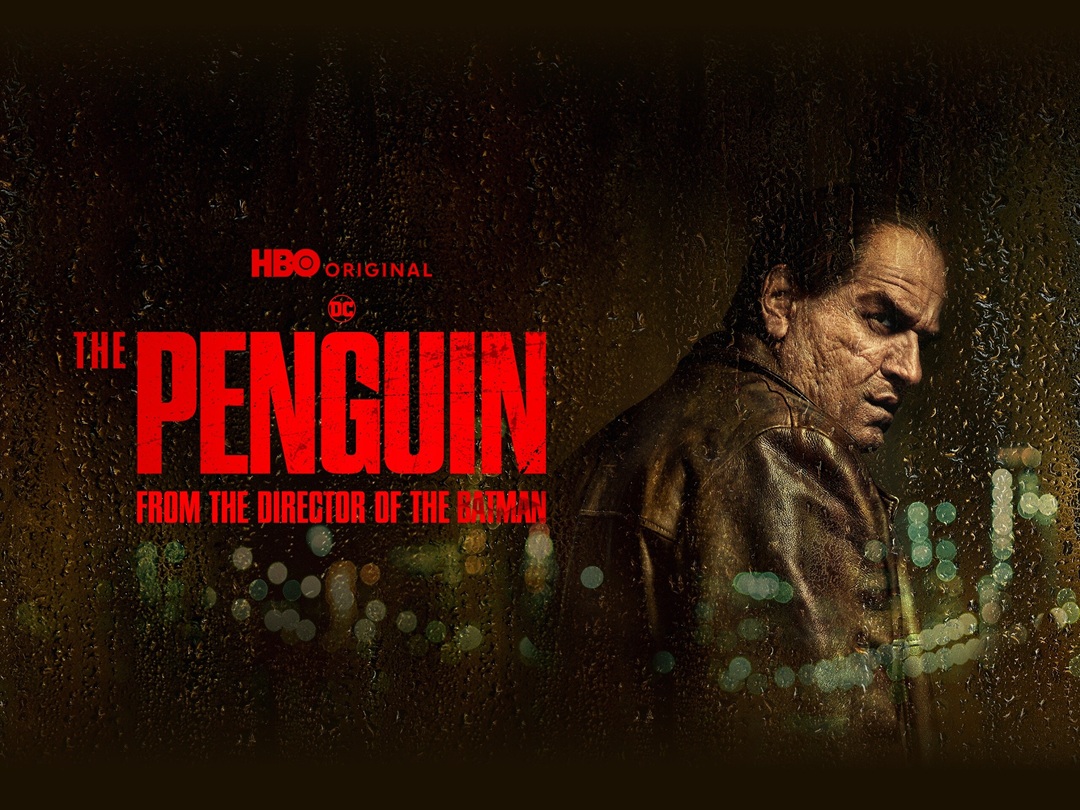
Heroes define morality. Villains disrupt it. The structure is simple, even when layered with complexity. But HBO’s The Penguin (2024–2026), starring Colin Farrell as Oswald “Oz” Cobb, removes that balance entirely.
There is no central hero guiding the narrative.
There is only the city—and the man trying to control it.
Set in the aftermath of Matt Reeves’ The Batman (2022), the series follows Oz’s ascent through Gotham’s criminal underworld after the collapse of established power structures. But what makes The Penguin significant is not its plot.
It is its perspective.
The story belongs entirely to the villain.
From Antagonist To Protagonist
Villains have always been essential to noir.
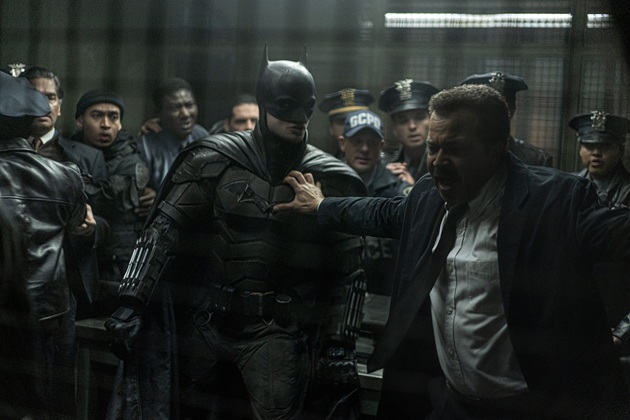
They are not simply obstacles—they are reflections of the world’s corruption, often more honest than the systems opposing them. But in The Penguin, that dynamic shifts.
Oz is not framed as an antagonist.
He is the narrative center.
| Narrative Role | Traditional Superhero Story | Villain-Centered Noir |
|---|---|---|
| Protagonist | Hero | Villain |
| Moral Anchor | Clear or evolving | Absent or unstable |
| Conflict | Good vs evil | Power vs power |
| Perspective | External judgment | Internal justification |
This transformation allows the audience to experience Gotham through Oz’s logic—his ambitions, his fears, his strategies. The question is no longer whether he is right.
It is whether he can survive.
Power As The Only Currency
In The Penguin, morality is replaced by something more tangible: power.
Every decision Oz makes is rooted in control:
- Control over territory
- Control over perception
- Control over alliances
The collapse of Gotham’s criminal hierarchy creates a vacuum, and Oz’s rise is not defined by chaos, but by calculation. He does not act impulsively. He builds, negotiates, and adapts.
This aligns closely with noir’s evolution toward system-driven conflict, where individuals operate within structures rather than outside them.
Power is not seized once.
It is maintained continuously.
Gotham As A Noir Ecosystem
Gotham has always been noir-adjacent, but The Penguin fully embraces its identity as a modern noir city.
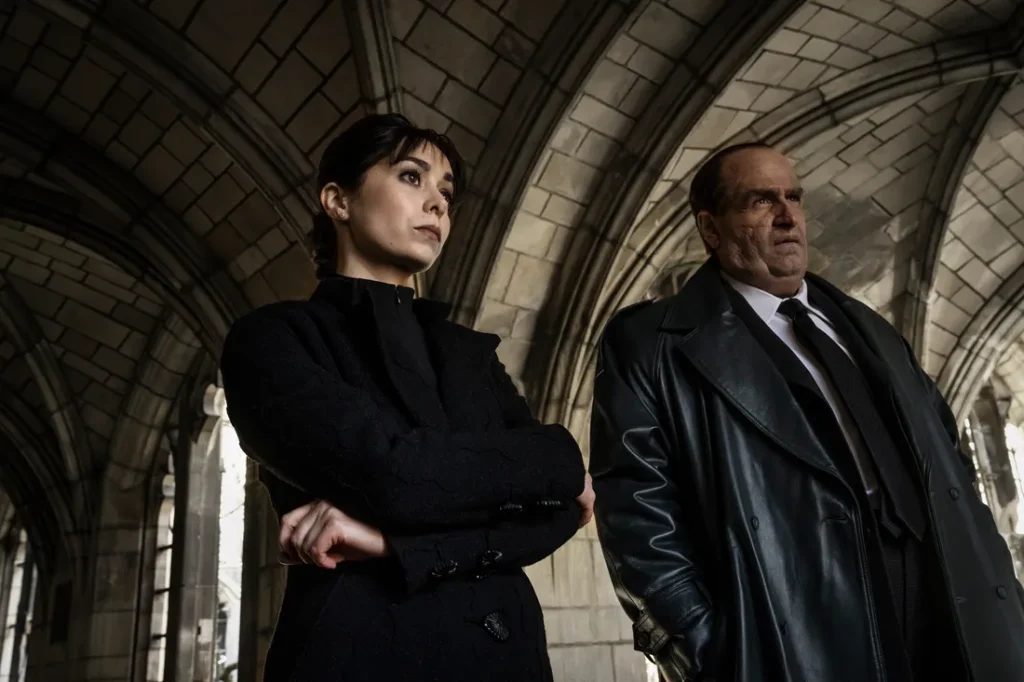
The environment is not just a backdrop—it is an active force shaping the narrative:
- Rain-soaked streets
- dim interiors
- decaying infrastructure
But unlike classic noir, where the city conceals, Gotham exposes.
Everything is visible:
- alliances
- betrayals
- ambitions
This mirrors the broader shift explored in our coastal noir analysis, where environments no longer hide conflict—they amplify it.
Gotham becomes an ecosystem where power flows constantly, and survival depends on adaptation.
The Psychology Of The Villain
What elevates The Penguin beyond crime drama is its focus on Oz’s internal world.
He is not portrayed as a chaotic force. He is methodical, self-aware, and deeply insecure. His rise is driven not just by ambition, but by the need to redefine how he is perceived.
This creates a layered psychological portrait:
- Confidence masking vulnerability
- Strategy masking fear
- Power masking instability
The audience is not asked to sympathize.
They are asked to understand.
The Absence Of Justice
In traditional superhero narratives, justice operates as a guiding force—even when flawed.
In The Penguin, it is absent.
Law enforcement exists, but it is ineffective or compromised. Institutions do not restore order. They react to it, often too late.
This absence shifts the narrative structure:
- There is no endpoint defined by justice
- There is no resolution tied to morality
- There is only continuation through power shifts
This mirrors the thematic direction explored in our heist noir obsession breakdown, where characters are driven by fixation rather than ethical outcomes.
Streaming And The Rise Of Character-Centric Noir
The success of The Penguin is closely tied to the evolution of streaming storytelling.
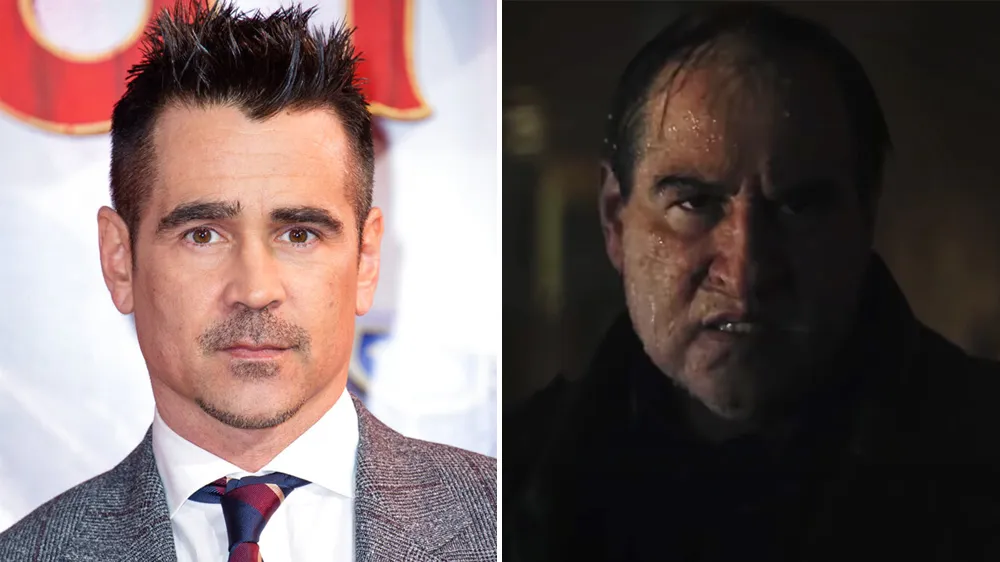
Long-form television allows for:
- gradual character development
- layered power dynamics
- sustained psychological tension
Rather than compressing Oz’s transformation into a two-hour film, the series expands it across episodes, allowing the audience to experience the slow construction of his identity.
According to industry coverage of the series’ development and reception, The Penguin has been praised for its grounded tone and character-driven narrative, reinforcing HBO’s approach to prestige crime storytelling. This positions the show as part of a broader trend in villain-focused narratives within modern television, where complexity replaces simplicity.
The Aesthetic Of Controlled Decay
Visually, The Penguin leans into a noir aesthetic that balances realism with stylization.
- muted color palettes
- shadow-heavy interiors
- practical lighting
But unlike classic noir, the darkness is not overwhelming.
It is controlled.
This reflects Oz’s approach to power:
- not chaotic
- not explosive
- but deliberate and sustained
The aesthetic reinforces the idea that Gotham is not collapsing.
It is being reorganized.
Villain-Centered Noir Across Media
The Penguin is not an isolated case.
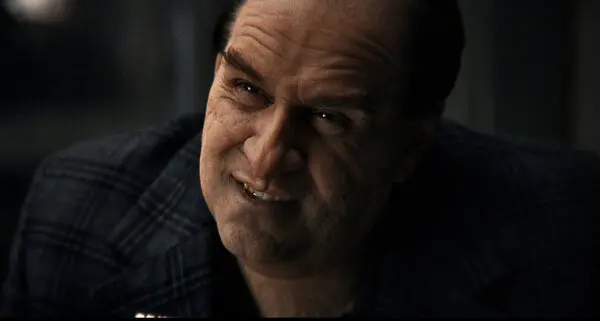
Across film, television, and gaming, there is a growing trend toward villain-centered storytelling:
- narratives that prioritize perspective over morality
- stories that explore power structures rather than heroic resistance
- characters who define their own logic rather than reacting to external judgment
This shift suggests that audiences are increasingly interested in understanding systems of control, rather than simply watching them be challenged.
For further insight into how modern superhero narratives are evolving toward darker, character-driven storytelling, see this analysis of DC’s grounded crime storytelling approach from a major entertainment publication.
When Control Replaces Identity
As Oz rises through Gotham’s ranks, a central tension emerges:
Does control create identity—or replace it?
The more power he gains, the more he is defined by the system he navigates. His decisions become less about personal desire and more about maintaining position.
This creates a paradox:
- Power offers stability
- Power demands constant action
- Power erodes individuality
The character becomes inseparable from the role.
A Genre Without Heroes
What The Penguin ultimately represents is a redefinition of noir within the superhero genre.
It removes:
- the hero
- the moral framework
- the expectation of resolution
And replaces them with:
- perspective
- power dynamics
- psychological depth
This transformation allows noir to exist fully within a genre that once resisted it.
The Rise That Never Ends
In The Penguin, there is no final victory.
Every gain creates new threats. Every alliance introduces new risks. The narrative does not build toward resolution—it sustains itself through movement.
Oz does not aim to win.
He aims to continue.
And in that continuation, villain-centered noir finds its defining structure:
A story not about defeating darkness—but about navigating it from within.