There was a time when noir lived and died by the crime itself. A body on the pavement. A missing briefcase. A crooked deal gone sideways. The mechanics were simple—cause, investigation, consequence. But modern neo-noir has quietly rewritten that formula.
Today, the crime often feels like background noise.
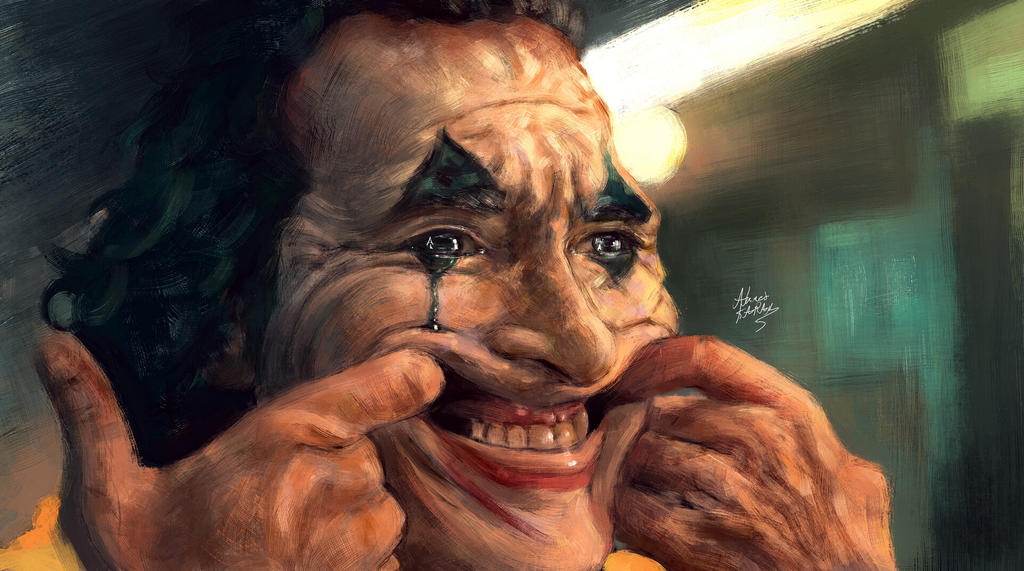
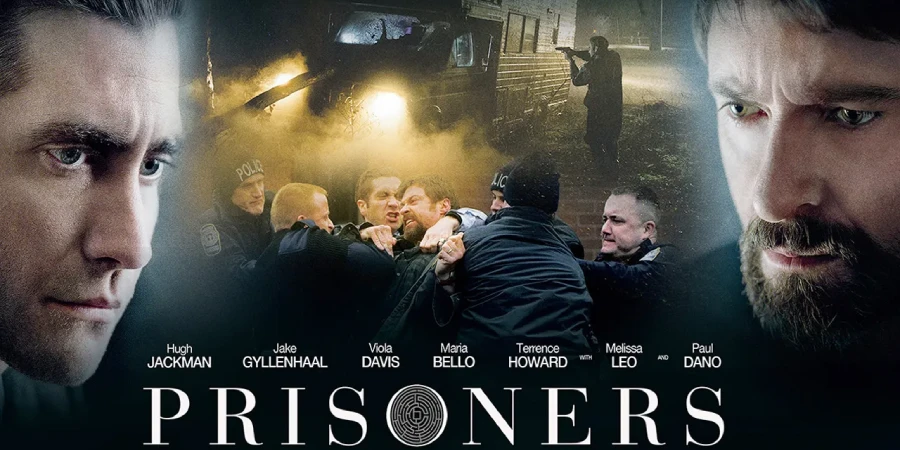
In films like Prisoners (2013) or Joker (2019), the real story isn’t about solving anything. It’s about unraveling. The investigation has turned inward, shifting from external puzzles to internal fractures. Trauma—raw, unresolved, and often invisible—has become the new narrative engine.
Where classic noir asked, “Who did it?”, psychological neo-noir asks something far more unsettling:
“What broke them?”
Trauma As The New Narrative Engine
Modern noir doesn’t abandon crime—it absorbs it. Crime becomes a symptom rather than the story. A side effect of deeper psychological decay.
This shift reflects a broader evolution in storytelling. Audiences no longer want clean answers. They want complexity, ambiguity, and emotional realism. Trauma provides all three.
From External Conflict To Internal Collapse
In traditional noir:
- Detectives chase criminals
- Truth is hidden in the shadows
- Resolution, however bleak, is still attainable
In psychological neo-noir:
- Characters chase their own past
- Truth is fragmented, unreliable
- Resolution is often impossible
The narrative no longer builds toward justice—it spirals toward self-confrontation.
A Comparative Breakdown Of Noir Evolution
| Element | Classic Noir | Psychological Neo-Noir |
|---|---|---|
| Central Conflict | Crime-solving | Psychological unraveling |
| Protagonist | Detective / anti-hero | Traumatised individual |
| Narrative Goal | Reveal truth | Understand pain |
| Resolution | Partial justice or fatalism | Ambiguity or emotional collapse |
| Tone | Cynical, fatalistic | Introspective, existential |
The shift is subtle but profound. The genre hasn’t changed its darkness—it has relocated it.
Why Modern Audiences Gravitate Toward Psychological Noir
The rise of psychological neo-noir isn’t accidental. It mirrors the cultural moment we’re living in.
In an era shaped by:
- Mental health awareness
- Generational trauma
- Social alienation
…the idea of a simple crime feels almost outdated.
Modern audiences recognize that:
This is why films like Nightcrawler (2014) resonate so deeply. The horror isn’t the crimes Lou Bloom documents—it’s his complete emotional detachment. His trauma isn’t loud or visible. It’s structural, embedded in how he sees the world.
The result is a new kind of noir protagonist:
- Not just morally compromised
- But psychologically fractured
The Visual Language Of Inner Darkness
As the narrative focus shifts inward, so does the visual style.
Psychological neo-noir trades sharp contrasts for something more suffocating. The shadows are still there—but they feel heavier, less defined. Reality itself becomes unstable.
Hallmarks Of The New Aesthetic
- Blurred lines between dream and reality
- Muted palettes with sudden bursts of harsh light
- Close, claustrophobic framing
- Prolonged silence replacing dialogue
In Enemy (2013), the city feels like a living organism—yellow, oppressive, inescapable. It’s not just a setting. It’s a reflection of the protagonist’s fractured psyche.
This aligns closely with the evolving definitions explored in modern noir identity frameworks, where the genre is no longer bound by crime alone but by emotional and psychological disintegration. For a deeper breakdown of how noir continues to redefine itself, this analysis on Noir Film Festivals offers a compelling perspective.
When Crime Becomes Secondary
One of the most striking aspects of psychological neo-noir is how easily crime fades into the background.
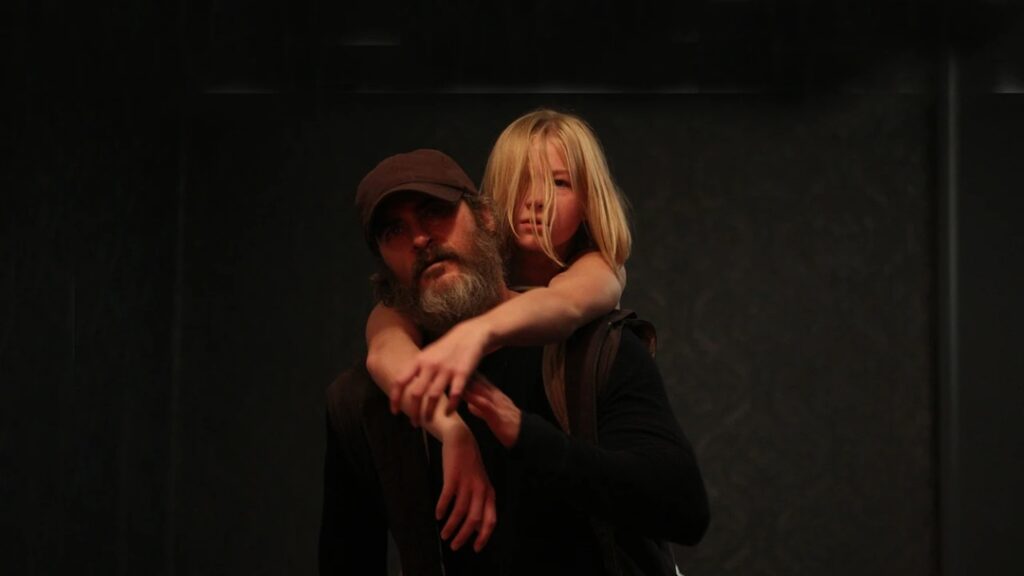
Take You Were Never Really Here (2017). On paper, it’s a rescue story. A hired gun saves a trafficked girl. But the film barely cares about the mission.
Instead, it lingers on:
- Flashbacks of childhood abuse
- Dissociative episodes
- The quiet, suffocating weight of memory
The violence isn’t stylized. It’s almost incidental. What matters is the emotional aftermath—the scars that never heal.
This is the new noir equation:
Trauma → Behavior → Consequence
Crime is just the middle step.
Psychological Depth vs Narrative Closure
Classic noir thrived on resolution—even if that resolution was bleak. The detective might lose, but the story still closed.
Psychological neo-noir rejects that closure entirely.
| Narrative Element | Classic Noir | Psychological Neo-Noir |
|---|---|---|
| Mystery | Solved or partially solved | Often unresolved |
| Character Arc | Moral reckoning | Psychological ambiguity |
| Ending | Finality | Open-ended or cyclical |
This lack of closure isn’t a flaw. It’s the point.
Trauma doesn’t resolve neatly. It lingers, mutates, resurfaces. The story ends, but the damage doesn’t.
The Influence Of Real-World Psychology
The genre’s evolution is also grounded in real-world research. As psychology becomes more integrated into mainstream discourse, storytelling follows.
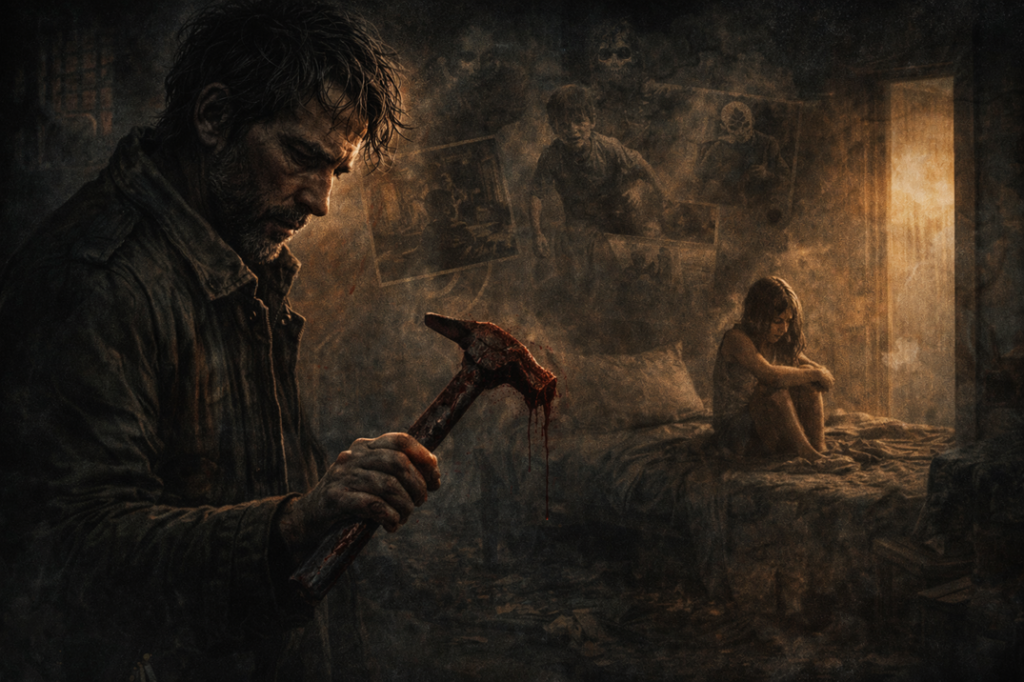
Concepts like:
- PTSD
- Dissociation
- Cognitive dissonance
…are no longer niche ideas. They shape how characters are written and how audiences interpret them.
According to research highlighted by the American Psychological Association, trauma fundamentally alters perception, memory, and behavior—making it a natural fit for noir storytelling, which has always thrived on distorted realities and unreliable perspectives.
A Genre That Reflects Its Time
Noir has always been a mirror.
- Post-war noir reflected disillusionment
- Neo-noir of the ’70s reflected institutional distrust
- Today’s psychological noir reflects internal collapse
The enemy is no longer the corrupt system or the femme fatale.
It’s the self.
The Future Of Noir Lies Within
As psychological neo-noir continues to evolve, one thing becomes clear:
The genre is moving deeper, not wider.
We’re seeing:
- Fewer traditional detectives
- More unreliable narrators
- Stories driven by memory, not evidence
Crime will always have a place in noir. But it’s no longer the destination. It’s just the entry point.
The real story unfolds beneath the surface—where identity fractures, memory distorts, and trauma refuses to stay buried.
And in that space, noir has never felt more alive.