

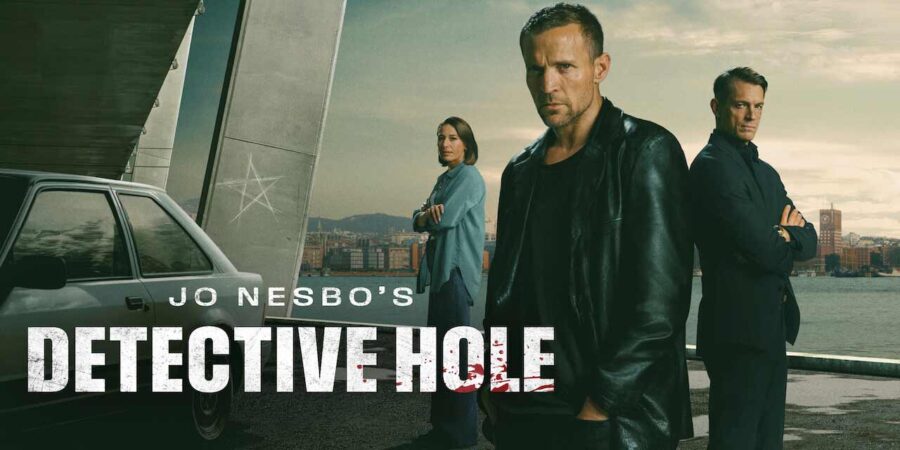
Nordic noir started as a whisper in the 1990s—dark literary thrillers set against cold landscapes, morally gray protagonists, and stories that felt less like mysteries and more like examinations of fractured societies. By the 2010s, the genre had made its way onto international screens through series like The Killing and The Bridge, but 2026 represents something more expansive: a moment where Nordic noir is no longer peripheral. It has … Read the rest
Author: June Holloway Page 1 of 2
Cinema often uses games to examine deeper societal flaws. Films about corruption in sports serve as modern morality plays. They explore the dark side of capitalism and the American obsession with competition.
Two distinct genres frame these stories. The sports noir uses athletic competition as a backdrop. It delves into systemic corruption and the commodification of human talent. This subgenre is rooted in literary traditions of pessimism and alienation.
The … Read the rest
A specific genre of storytelling finds its power in a core tension. It pits the raw, hopeful idealism of athletic pursuit against the grim realities of systemic corruption.
This conflict creates a world navigated by enduring character models. These foundational figures, or archetypes, form the skeleton of the narrative.
These models are not static relics. They evolve, mirroring profound shifts in culture, media, and economics.
The cynical hustler and … Read the rest

Imagine a New York alley in 1951. A young Stanley Kubrick was filming a middleweight boxer named Walter Cartier. This short, “Day of the Fight,” was more than just a boxing match. It laid the groundwork for a new era.
Boxing fits perfectly into the dark world of noir films. It’s a simple yet brutal fight. The only variable is hope, under the harsh ring lights.
This isn’t just sports … Read the rest
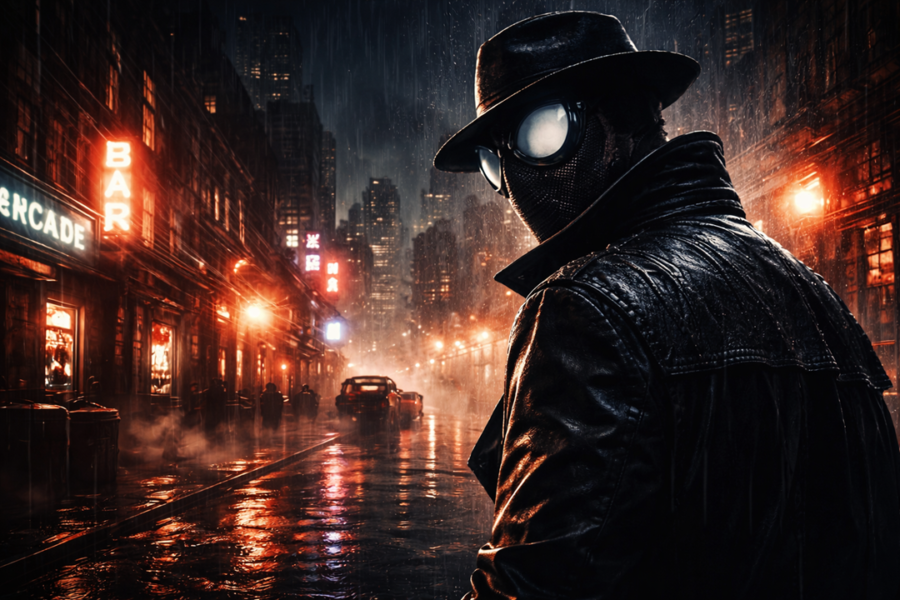
Superhero stories have always borrowed from earlier storytelling traditions. Mythology, pulp adventure, detective fiction, and science fiction all helped shape the modern comic book hero. Yet one of the most intriguing creative crossovers emerging today is the fusion of superhero mythology with the visual and thematic language of film noir.
Marvel’s upcoming Spider-Noir television series, starring Nicolas Cage, represents a bold step in that direction. Instead of presenting Spider-Man … Read the rest
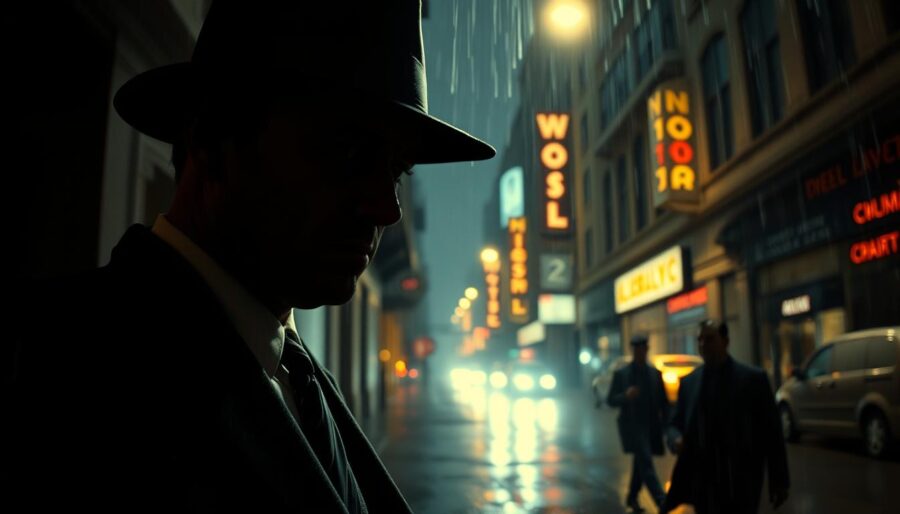
We love the trench coats and the cigarette smoke. We mythologize the lone detective and the dangerous dame. But what about the man behind the camera, using those very shadows to put America on trial?
Meet Robert Rossen. Think of him as film noir’s most committed—and controversial—political operative.
The son of Russian-Jewish immigrants, Rossen brought a street-smart grit to Hollywood. By 1936, he was writing for Warner Bros., churning … Read the rest
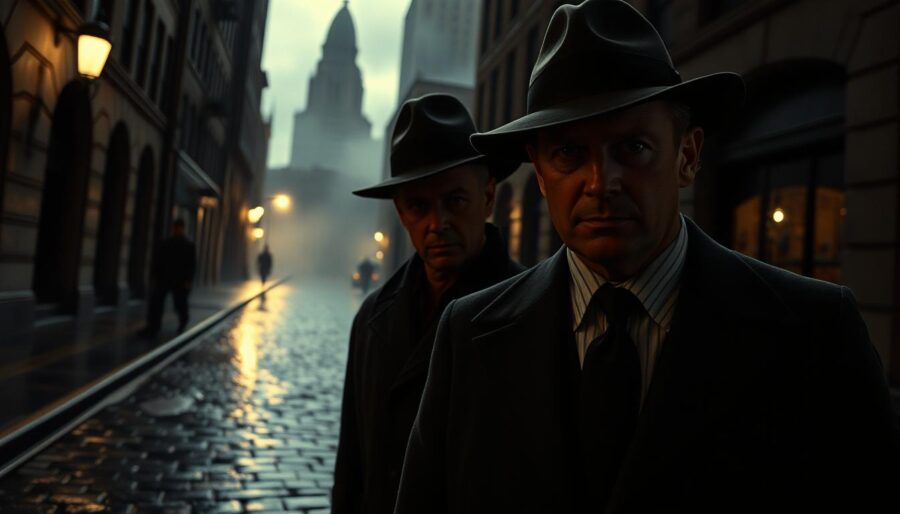
Every great film noir story starts in the shadows of a broken past. Robert Mitchum didn’t just show up in Hollywood; he slid into it with a knowing smirk. A kid from Connecticut, turned by WWII, found his calling in the gray city of the post-war era.
Starting as a B-movie villain on the RKO lot, his Oscar nod for The Story of G.I. Joe seemed like a chance for … Read the rest

Pull up a stool. Let’s talk about the best genre mash-up: sports and noir.
We’re not filming a game. We’re creating a psychological thriller. The arena turns into the mean streets. Sweat looks like rain on pavement. Every shadow could hide a betrayal.
This idea isn’t new. Look at Adolf de Meyer, a photography genius. He didn’t just capture reality; he built it with light and shadow. He created … Read the rest

In today’s world, where everything is in high definition, a question pops up. Why does removing color often make a story feel deeper?
This isn’t just about old times or fancy art. It’s about using less to show more. Imagine a boxing ring without its red ropes and blue canvas. In black and white, it becomes a simple yet powerful symbol of conflict.
Take the intense scenes in Raging … Read the rest
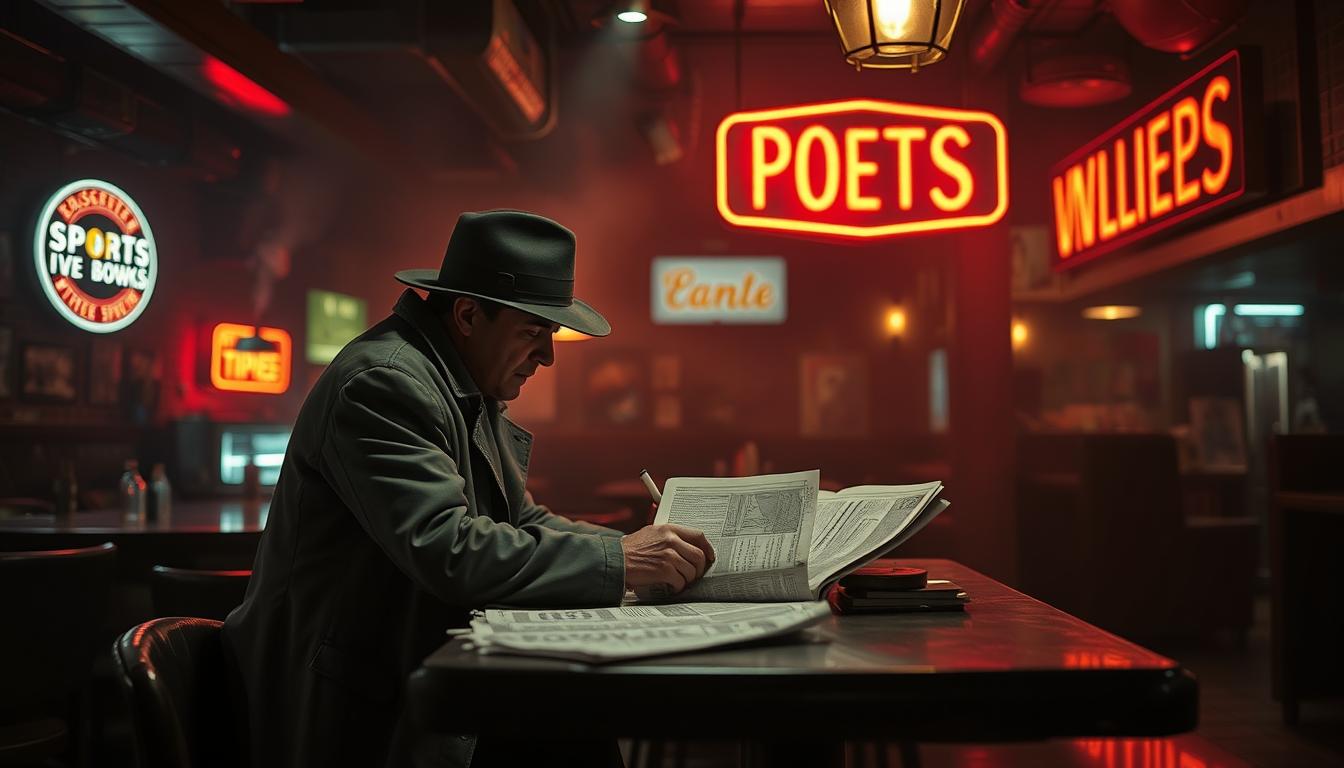
Imagine Rocky Balboa running up the Philadelphia Museum steps. Now, picture that image with a whiskey bottle. What’s left is the real sports story that Hollywood’s shadows reveal. It’s about sweat-stained glory turned into spit buckets and moral compromise.
Underdog stories fill stadiums, but 1940s films used locker rooms for existential drama. Robert Ryan’s Stoker Thompson in “The Set-Up” is a boxer who won’t throw a fight, even when his … Read the rest